العربية
 Español
 Français
 中文
 हिन्दी
God Is One: No Partner, No Son, No Equal

Ask a Muslim child what the most important thing in Islam is, and you will very likely hear the same answer an elderly scholar would give: God is one. Everything else in the religion — prayer, fasting, morality, hope in the next life — grows from that single root.
What tawhid means
The Arabic word for this belief is tawhid, which literally means “making one” or “affirming oneness”. It includes three simple ideas:
- God alone created and sustains everything. Nothing exists or continues to exist without Him.
- God alone deserves worship. Prayer, devotion, sacrifice and ultimate trust belong to Him and no one else — not to angels, prophets, saints or idols.
- God is unique in His names and qualities. He is all-knowing, all-merciful and all-powerful in a way that no created being can share.
The Arabic word for God, Allah, simply means “the God”. It is not the name of a separate, “Muslim” deity; Arabic-speaking Christians and Jews have used it for centuries. You can read more in Who Is Allah?
The Qur’an’s shortest description of God
There is a short chapter of the Qur’an — only four verses long — that Muslims recite constantly, often several times a day in prayer. The Prophet Muhammad ﷺ said that this short chapter is equal in worth to a third of the Qur’an (Sahih al-Bukhari 5013):
قُلْ هُوَ ٱللَّهُ أَحَدٌ ﴿١﴾ ٱللَّهُ ٱلصَّمَدُ ﴿٢﴾ لَمْ يَلِدْ وَلَمْ يُولَدْ ﴿٣﴾ وَلَمْ يَكُن لَّهُۥ كُفُوًا أَحَدٌۢ ﴿٤﴾ 1Say, "He is Allah, [who is] One, 2Allah, the Eternal Refuge. 3He neither begets nor is born, 4Nor is there to Him any equivalent."
Couldn't load — please try again.
In a few lines, it states that God is one; that everything depends on Him while He depends on nothing; that He has no child and no parent; and that nothing is equal to Him.
No partner, no son, no equal
Muslims believe that God is completely unlike His creation. Another verse puts it in one phrase that Muslim theologians have quoted for centuries:
فَاطِرُ ٱلسَّمَٰوَٰتِ وَٱلْأَرْضِ ۚ جَعَلَ لَكُم مِّنْ أَنفُسِكُمْ أَزْوَٰجًۭا وَمِنَ ٱلْأَنْعَٰمِ أَزْوَٰجًۭا ۖ يَذْرَؤُكُمْ فِيهِ ۚ لَيْسَ كَمِثْلِهِۦ شَىْءٌۭ ۖ وَهُوَ ٱلسَّمِيعُ ٱلْبَصِيرُ ﴿١١﴾ [He is] Creator of the heavens and the earth. He has made for you from yourselves, mates, and among the cattle, mates; He multiplies you thereby. There is nothing like unto Him, and He is the Hearing, the Seeing.
Couldn't load — please try again.
This is why Islam does not depict God in images, and why Muslims believe God does not have a son. For Muslims, the great prophets, including Jesus (peace be upon him), are honoured as God’s servants and messengers, not as partners in His divinity. This is one of the clearest places where Islam and Christianity differ, and Muslims try to discuss it respectfully; see Jesus in Islam.
The Qur’an also offers a simple argument from the order of the universe: if there were several gods, each with its own will, the world would fall into conflict and disorder.
لَوْ كَانَ فِيهِمَآ ءَالِهَةٌ إِلَّا ٱللَّهُ لَفَسَدَتَا ۚ فَسُبْحَٰنَ ٱللَّهِ رَبِّ ٱلْعَرْشِ عَمَّا يَصِفُونَ ﴿٢٢﴾ Had there been within the heavens and earth gods besides Allah, they both would have been ruined. So exalted is Allah, Lord of the Throne, above what they describe.
Couldn't load — please try again.
Why oneness changes everything
Tawhid is not only a statement about God; it reshapes how a person sees themselves and others.
- Freedom. If only God is God, then no king, celebrity, ideology or desire has the right to rule a person’s heart. Muslims see tawhid as liberation from serving anything created.
- Equality. Every human being stands before the same Creator. No race, tribe or class is closer to God by birth.
- Direct connection. A Muslim needs no intermediary to speak to God. Anyone can pray to Him at any moment, in any language.
- Hope. The one God who created everything is described above all as merciful.
That last point is easy to miss. The Qur’an pairs God’s oneness with His mercy again and again:
وَإِلَٰهُكُمْ إِلَٰهٌۭ وَٰحِدٌۭ ۖ لَّآ إِلَٰهَ إِلَّا هُوَ ٱلرَّحْمَٰنُ ٱلرَّحِيمُ ﴿١٦٣﴾ And your god is one God. There is no deity [worthy of worship] except Him, the Entirely Merciful, the Especially Merciful.
Couldn't load — please try again.
Common ground with Jews and Christians
The belief that God is one is not new to Islam. The Hebrew Bible declares, “Hear, O Israel: The LORD our God is one LORD” (Deuteronomy 6:4, KJV), and in the Gospel of Mark, Jesus repeats these words when asked which commandment is first (Mark 12:29, KJV). Muslims believe this was the same message given to every prophet — see All Prophets Brought the Same Message.
Muslims, Christians and Jews understand God’s nature in different ways, and it is more honest to say so than to pretend otherwise. But the conviction that there is one God, the Creator of heaven and earth, is real common ground and a good place for any conversation to begin. See Is Allah the Same God?
A simple and freeing belief
The oneness of God is the first thing a person affirms on becoming Muslim, and the last thing many Muslims hope to say before they die. It is simple enough for a child to understand, yet deep enough to fill a lifetime of reflection. If you would like to see how this belief fits with the rest of Islam, What Every Muslim Believes is a good next step.
Key takeaways
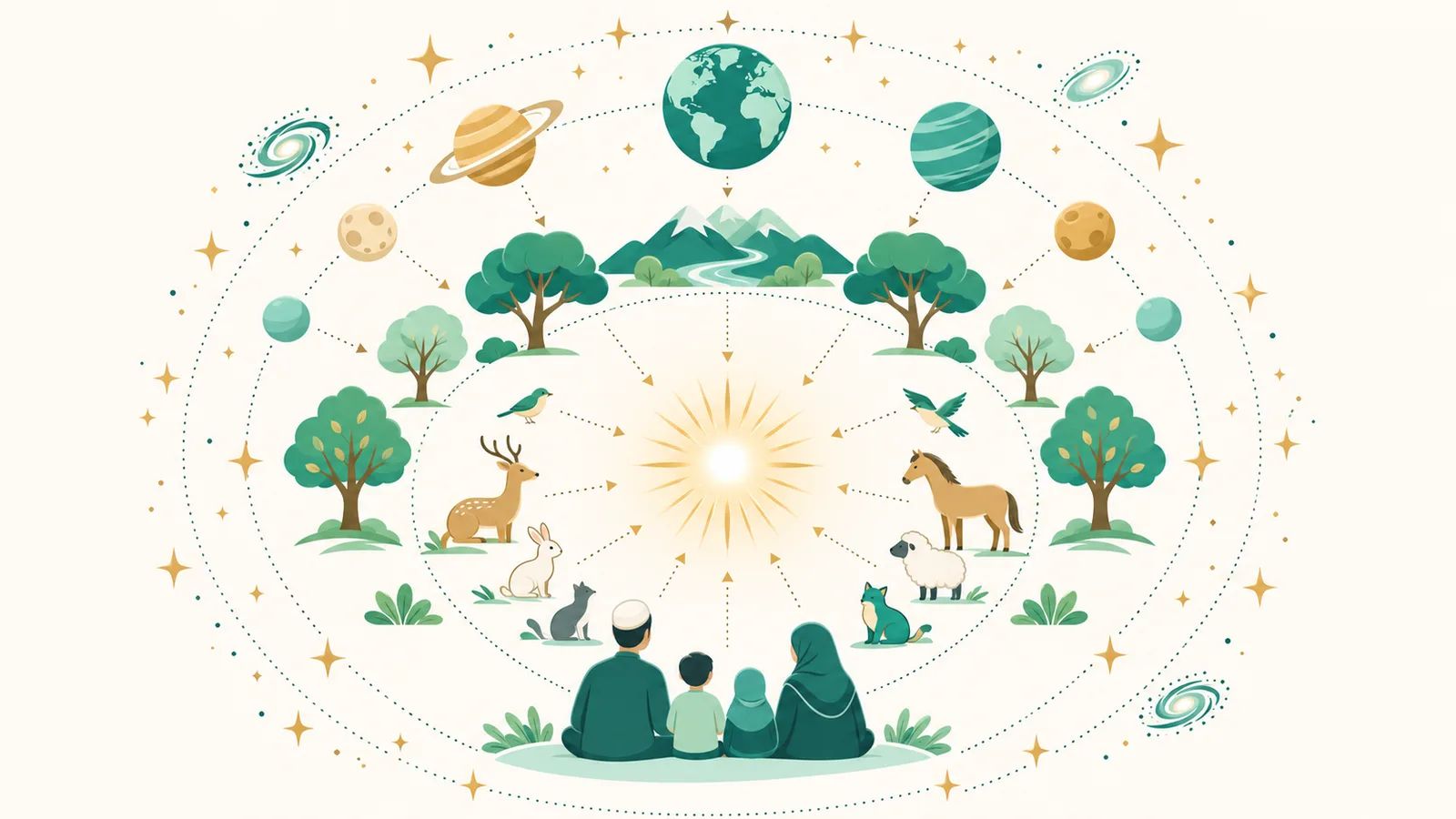
- Tawhid — the oneness of God — is the first and most important belief in Islam.
- God has no partner, no son, no parent and no equal; nothing in creation is like Him.
- Because God alone is God, He alone is to be worshipped and prayed to.
- Jews, Christians and Muslims share the conviction that God is one, though they understand it differently.