العربية
 Español
 Français
 中文
 हिन्दी
Hajj — The Pilgrimage to Makkah
Hajj (Arabic: الحج) is pronounced HAJJ, with a breathy “h” and the double “j” held for a moment.
Meaning
Hajj means “to set out for” a place with purpose. It is the great pilgrimage to Makkah, which takes place every year during the Islamic month of Dhul-Hijjah. The Qur’an records God’s command to Abraham to call people to this journey:
وَأَذِّن فِى ٱلنَّاسِ بِٱلْحَجِّ يَأْتُوكَ رِجَالًۭا وَعَلَىٰ كُلِّ ضَامِرٍۢ يَأْتِينَ مِن كُلِّ فَجٍّ عَمِيقٍۢ ﴿٢٧﴾ And proclaim to the people the Hajj [pilgrimage]; they will come to you on foot and on every lean camel; they will come from every distant pass -
Couldn't load — please try again.
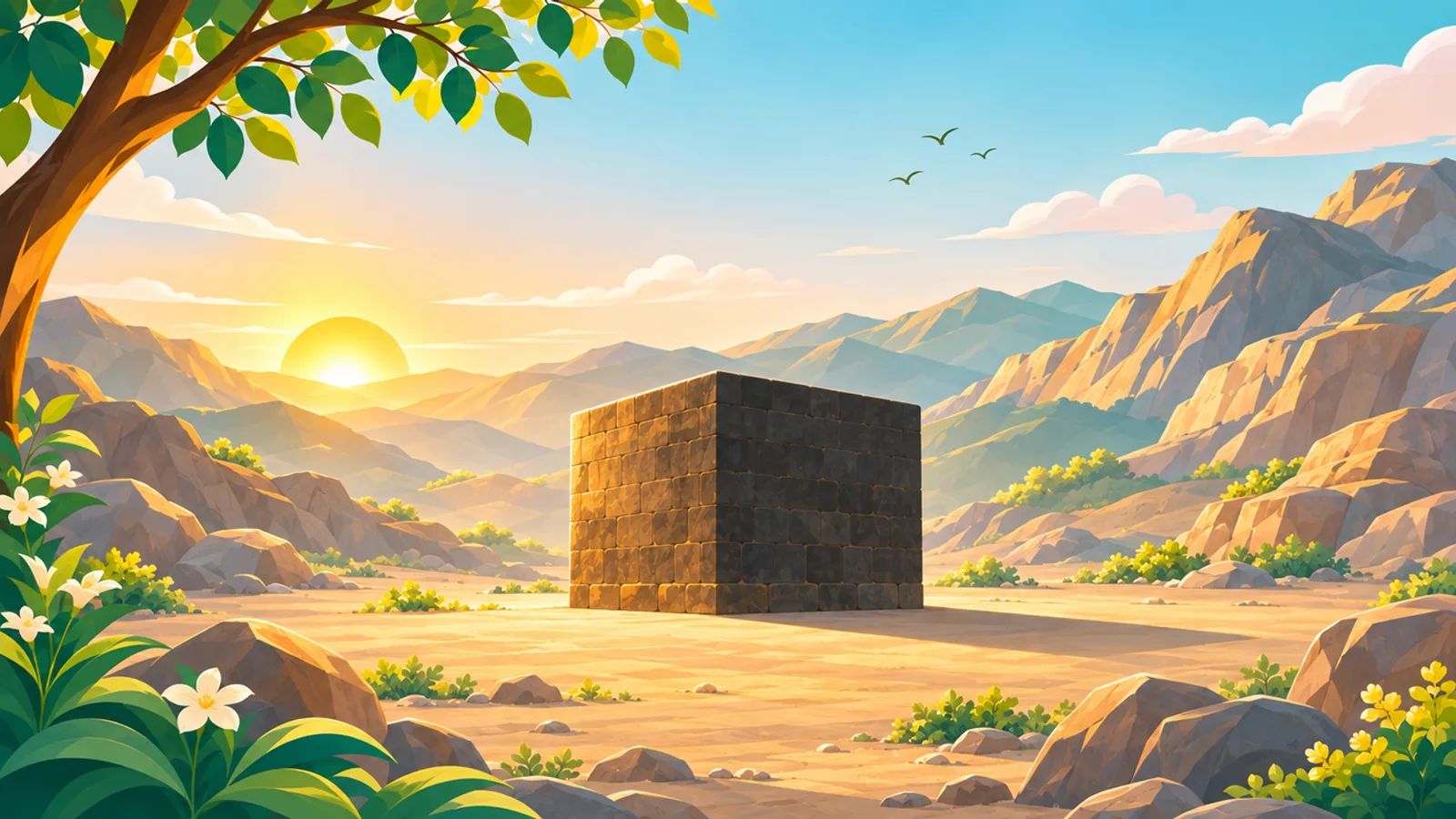
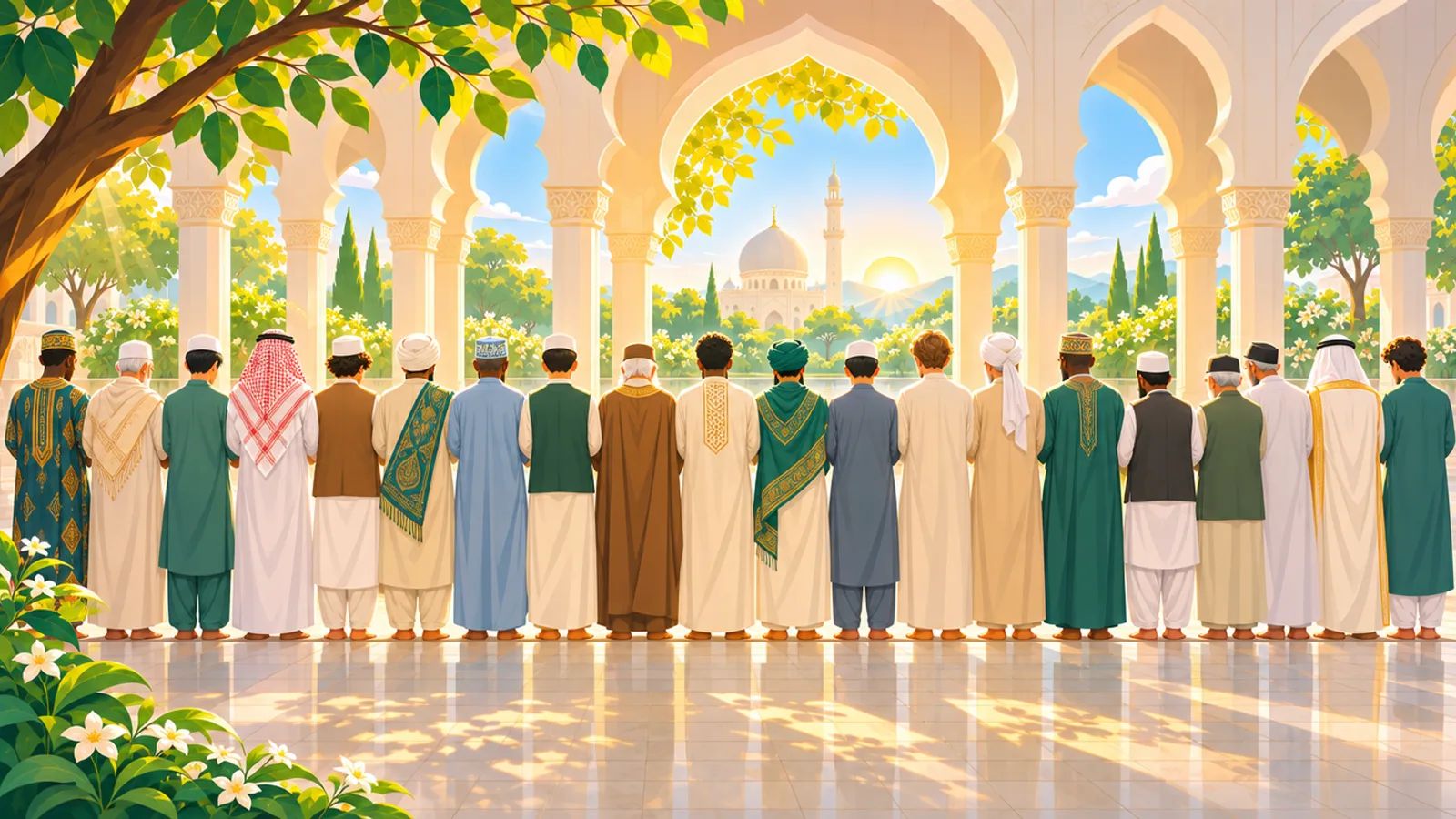
Pilgrims enter a state of devotion called ihram; men wear two plain white cloths, so that king and labourer look the same. They walk around the Kaaba (tawaf), walk between the hills of Safa and Marwa as Hajar once did, and stand in prayer on the plain of Arafah — the high point of Hajj. Millions of people from every nation pray side by side.
How Muslims use it
Hajj is the fifth of the Five Pillars of Islam, required once in a lifetime of those who can afford it and are physically able. Its end is marked by Eid al-Adha, the festival of sacrifice, celebrated by Muslims everywhere. A smaller pilgrimage that can be made at any time of year is called umrah.
Example
“My grandparents performed Hajj last year and came home with Zamzam water for everyone.”
To learn more, read Abraham, Friend of God and The Five Pillars of Islam.
Key takeaways
- Hajj is a once-in-a-lifetime duty for Muslims who are able.
- Pilgrims dress simply and stand equal before God, whatever their wealth or race.
- Many rites recall Abraham, Hajar and Ishmael.