العربية
 Español
 Français
 中文
 हिन्दी
What Happens to My Past Sins When I Become Muslim?

One of the questions people most often carry quietly when they think about Islam is this: What about everything I have done before? Some people feel their past is too heavy, or that they are not “good enough” to become Muslim. If that is you, this page is written with you in mind.
Islam wipes out what came before
One of the Prophet’s companions, Amr ibn al-As, was once a fierce opponent of Islam. When he finally came to the Prophet ﷺ to accept it, he hesitated and held back his hand. He wanted to set one condition first: that he would be forgiven. The Prophet ﷺ replied:
…Are you not aware of the fact that Islam wipes out all the previous (misdeeds)? Verily migration wipes out all the previous (misdeeds), and verily the pilgrimage wipes out all the (previous) misdeeds.…
Couldn't load — please try again.
Amr did not need to bargain for forgiveness. Entering Islam sincerely was itself the clean break he was hoping for.
The Prophet ﷺ described the same fresh start in another hadith:
Narrated Abu Sa'id Al Khudri: Allah's Messenger (ﷺ) said, "If a person embraces Islam sincerely, then Allah shall forgive all his past sins, and after that starts the settlement of accounts, the reward of his good deeds will be ten times to seven hundred times for each good deed and one evil deed will be recorded as it is unless Allah forgives it
Couldn't load — please try again.
Notice the generosity in this: the past is forgiven, and from then on, every good deed is multiplied many times over, while a bad deed is recorded only as one — and even that may be forgiven.
Your good deeds are not lost
People sometimes worry about the opposite question too: if I did good things before Islam — gave to charity, cared for my family, helped others — does any of that count? A companion named Hakim ibn Hizam asked exactly this:
Narrated Hakim bin Hizam: I said to Allah's Messenger (ﷺ), "Before embracing Islam I used to do good deeds like giving in charity, slave-manumitting, and the keeping of good relations with Kith and kin. Shall I be rewarded for those deeds?" The Prophet (ﷺ) replied, "You became Muslim with all those good deeds (Without losing their reward)
Couldn't load — please try again.
So entering Islam does not erase the good in your past. It keeps it, and it lifts the weight of the wrong.
Wrongs replaced with good
The Qur’an goes even further. After describing very serious sins, it makes an extraordinary promise to those who turn back to God:
إِلَّا مَن تَابَ وَءَامَنَ وَعَمِلَ عَمَلًۭا صَٰلِحًۭا فَأُو۟لَٰٓئِكَ يُبَدِّلُ ٱللَّهُ سَيِّـَٔاتِهِمْ حَسَنَٰتٍۢ ۗ وَكَانَ ٱللَّهُ غَفُورًۭا رَّحِيمًۭا ﴿٧٠﴾ Except for those who repent, believe and do righteous work. For them Allah will replace their evil deeds with good. And ever is Allah Forgiving and Merciful.
Couldn't load — please try again.
Muslim scholars have explained this verse in two complementary ways: that God replaces a person’s bad habits with good ones in this life, and that He may, by His generosity, turn their record of wrongs into a record of good. Either way, the message is one of hope.
No one is beyond God’s mercy
Perhaps you feel your past is darker than most. The Qur’an speaks directly to people who feel that way:
۞ قُلْ يَٰعِبَادِىَ ٱلَّذِينَ أَسْرَفُوا۟ عَلَىٰٓ أَنفُسِهِمْ لَا تَقْنَطُوا۟ مِن رَّحْمَةِ ٱللَّهِ ۚ إِنَّ ٱللَّهَ يَغْفِرُ ٱلذُّنُوبَ جَمِيعًا ۚ إِنَّهُۥ هُوَ ٱلْغَفُورُ ٱلرَّحِيمُ ﴿٥٣﴾ Say, "O My servants who have transgressed against themselves [by sinning], do not despair of the mercy of Allah. Indeed, Allah forgives all sins. Indeed, it is He who is the Forgiving, the Merciful."
Couldn't load — please try again.
This verse is addressed to those who have transgressed against themselves. It does not exclude anyone. And the Prophet ﷺ described God’s joy when someone turns back to Him in a way that is hard to forget:
Narrated Anas bin Malik: Allah's Messenger (ﷺ) said, "Allah is more pleased with the repentance of His slave than anyone of you is pleased with finding his camel which he had lost in the desert
Couldn't load — please try again.
You can read more about this side of Islam in Why Islam Is Called a Religion of Mercy.
A few honest clarifications
Because this is such good news, it is worth being clear about what it does and does not mean.
- Sincerity matters. The forgiveness is for those who enter Islam with a sincere heart, not as a trick to escape responsibility. God knows what is in every heart.
- Rights owed to people remain. Scholars explain that sins between a person and God are wiped away, but rights owed to other people — such as debts or property taken unfairly — should still be returned or settled where possible. Islam asks you to make things right with people as far as you are able.
- You do not have to make up past worship. A new Muslim is not asked to make up prayers or fasts from the years before they became Muslim. Their obligations begin from the day they enter Islam.
- You will still make mistakes. Becoming Muslim does not make anyone perfect. When you slip after becoming Muslim, the door of repentance stays open — every sincere return to God is welcomed.
- You do not need to confess to anyone. In Islam there is no confession to a priest. Your past is between you and God, and you are encouraged to keep it private and simply turn to Him.
If any part of your situation is complicated — for example, a legal matter or an obligation to another person — a knowledgeable imam can help you think it through confidentially.
A new beginning
Many new Muslims describe the moment as a clean page and a fresh start — a life that begins again with God. Whatever you have done, it does not have to define who you will become. If you are ready to take that step, How to Become Muslim explains it gently. And if you are not ready yet, that is fine too. God’s mercy is not going anywhere.
Key takeaways
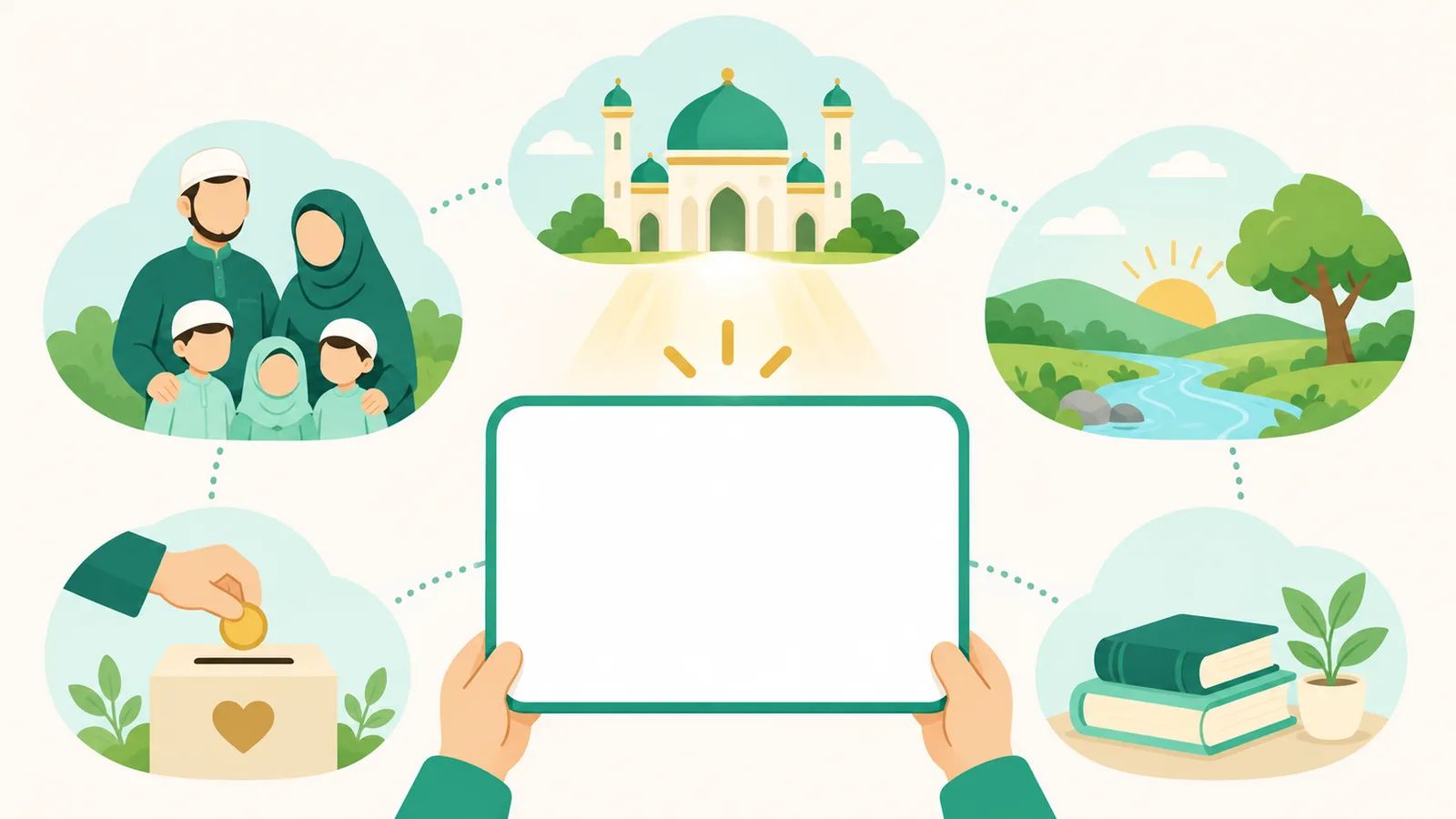
- Sincerely entering Islam wipes away the sins committed before it.
- The good you did before Islam is not lost.
- God's mercy is greater than any sin; no one should despair of it.
- Rights owed to other people, such as debts, should still be settled where possible.