العربية
 Español
 Français
 中文
 हिन्दी
Salvation in Islam and Christianity: How Are We Saved?

“What must I do to be saved?” It is one of the oldest religious questions, and both Christianity and Islam answer it with hope. Yet the answers are shaped differently, and those differences touch almost everything else: how each faith understands sin, Jesus, worship and God’s mercy. This article sets the two side by side.
A question both faiths take seriously
Christians and Muslims agree on a great deal here. Both believe that this life is not the end, that every person will stand before God, and that there is a Paradise to be hoped for and a punishment to be feared. Both believe that people sin and need forgiveness. And both believe that, in the end, no one can earn God’s reward by their own effort alone — salvation is God’s gift.
Salvation in Christian teaching
For Christians, the human problem is sin, which separates people from a holy God. The answer is Jesus Christ: Christians believe that he, the Son of God, died on the cross to atone for the sins of the world and rose again, and that whoever trusts in him is forgiven and given new life. The best-known verse in the New Testament puts it this way: “For God so loved the world, that he gave his only begotten Son, that whosoever believeth in him should not perish, but have everlasting life” (John 3:16, KJV).
Christians emphasise that this is a gift, not a reward: “For by grace are ye saved through faith; and that not of yourselves: it is the gift of God” (Ephesians 2:8, KJV). Churches have long discussed how faith, baptism and good works relate to one another — Catholic, Orthodox and Protestant Christians answer in different ways — but all place Christ’s death and resurrection at the centre.
Salvation in Islam
Islam describes the path to salvation in simple terms: believe in the one God, worship Him alone, follow the guidance of His messengers, and do good. The Qur’an sums it up in a single verse:
قُلْ إِنَّمَآ أَنَا۠ بَشَرٌۭ مِّثْلُكُمْ يُوحَىٰٓ إِلَىَّ أَنَّمَآ إِلَٰهُكُمْ إِلَٰهٌۭ وَٰحِدٌۭ ۖ فَمَن كَانَ يَرْجُوا۟ لِقَآءَ رَبِّهِۦ فَلْيَعْمَلْ عَمَلًۭا صَٰلِحًۭا وَلَا يُشْرِكْ بِعِبَادَةِ رَبِّهِۦٓ أَحَدًۢا ﴿١١٠﴾ Say, "I am only a man like you, to whom has been revealed that your god is one God. So whoever would hope for the meeting with his Lord - let him do righteous work and not associate in the worship of his Lord anyone."
Couldn't load — please try again.
Faith and deeds belong together. Faith without action is incomplete, and actions without faith in God lose their meaning. Yet the Prophet Muhammad ﷺ taught that even the best deeds do not, by themselves, buy Paradise: he said that no one’s deeds alone will admit them, not even his own, unless God covers him with His forgiveness and mercy (Sahih al-Bukhari 6467). Like Christians, Muslims ultimately rely on God’s grace.
Forgiveness without a go-between
The clearest difference lies in how forgiveness happens. Islam teaches that Adam’s sin was forgiven and is not inherited (see Original Sin or Fitrah?), and that no one can carry another’s sins. So no sacrifice is needed to reconcile humanity with God. A person simply turns back to God, sincerely and directly:
وَٱلَّذِينَ إِذَا فَعَلُوا۟ فَٰحِشَةً أَوْ ظَلَمُوٓا۟ أَنفُسَهُمْ ذَكَرُوا۟ ٱللَّهَ فَٱسْتَغْفَرُوا۟ لِذُنُوبِهِمْ وَمَن يَغْفِرُ ٱلذُّنُوبَ إِلَّا ٱللَّهُ وَلَمْ يُصِرُّوا۟ عَلَىٰ مَا فَعَلُوا۟ وَهُمْ يَعْلَمُونَ ﴿١٣٥﴾ And those who, when they commit an immorality or wrong themselves [by transgression], remember Allah and seek forgiveness for their sins - and who can forgive sins except Allah? - and [who] do not persist in what they have done while they know.
Couldn't load — please try again.
Who can forgive sins except Allah? There is no priest, saint or saviour standing between the sinner and God. And God’s readiness to forgive is wider than any sin, as He says in a sacred hadith:
Anas bin Malik narrated that the Messenger of Allah (ﷺ) said:“Allah, Blessed is He and Most High, said: ‘O son of Adam! Verily as long as you called upon Me and hoped in Me, I forgave you, despite whatever may have occurred from you, and I did not mind. O son of Adam! Were your sins to reach the clouds of the sky, then you sought forgiveness from Me, I would forgive you, and I would not mind. So son of Adam! If you came to me with sins nearly as great as the earth, and then you met Me not associating anything with Me, I would come to you with forgiveness nearly as great as it.’”
Couldn't load — please try again.
The final words matter: not associating anything with Me. For Muslims, worshipping God alone is the foundation on which forgiveness rests.
Where the two faiths meet
Despite the differences, there is real common ground. Both faiths describe a God who longs for sinners to return. Jesus said, “joy shall be in heaven over one sinner that repenteth, more than over ninety and nine just persons, which need no repentance” (Luke 15:7, KJV). The Prophet ﷺ likewise described God as more delighted by a servant’s repentance than a person is to find the camel he had lost in the desert (Sahih al-Bukhari 6309). And he once pointed to a mother who had found her lost baby among captives and was nursing him:
…Do you think that this lady can throw her son in the fire?” We replied, “No, if she has the power not to throw it (in the fire).” The Prophet (ﷺ) then said, “Allah is more merciful to His slaves than this lady to her son…
Couldn't load — please try again.
What about everyone else?
Readers often ask what Islam says about good people of other faiths. Muslims believe that the path God has given is faith in Him alone and in all His messengers, including the last, Muhammad ﷺ. At the same time, Islam teaches that God judges every person with perfect knowledge and justice, that He does not punish anyone to whom a messenger never truly came (Qur’an 17:15), and that no human being may declare any particular person saved or lost. That judgment belongs to God alone. We explore this further in Can Good Non-Muslims Go to Heaven?
An open door
Christians and Muslims disagree about the cross, and that difference is real. But both faiths say that God’s mercy is greater than human failure, and that the door of return is open. For Muslims, that door is never more than one sincere prayer away. If you would like to know what that looks like in practice, read What Happens to My Past Sins When I Become Muslim?
Key takeaways
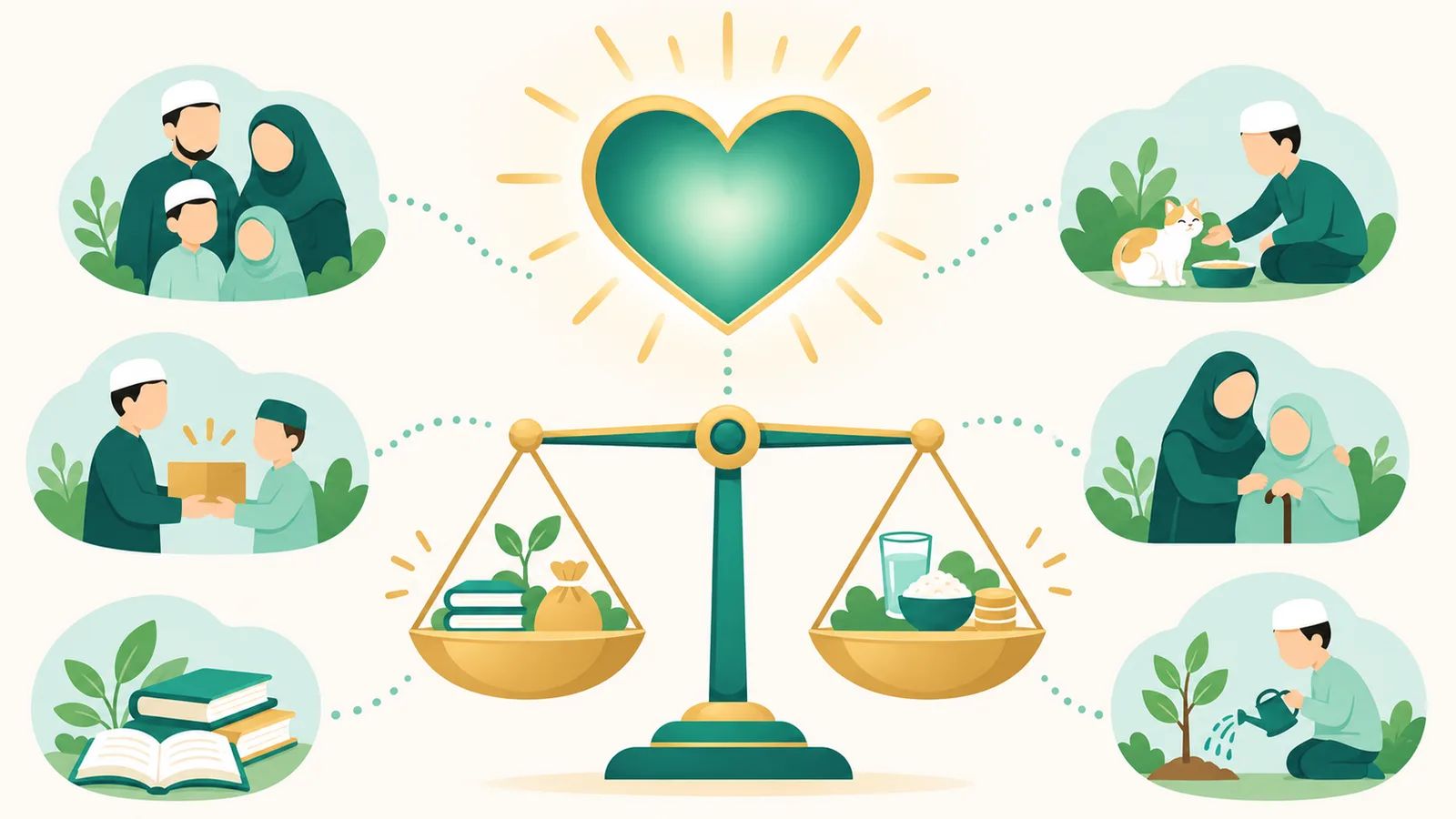
- Both faiths teach that human beings need God's mercy and cannot earn Paradise by their own effort alone.
- Christian teaching centres on faith in Christ's atoning death and resurrection.
- Islam teaches that each person turns to God directly in repentance, and that God forgives without any sacrifice in between.
- In Islam, faith in God alone and righteous deeds go together, and the final judgment belongs to God.