العربية
 Español
 Français
 中文
 हिन्दी
How Does Islam Treat the Elderly?
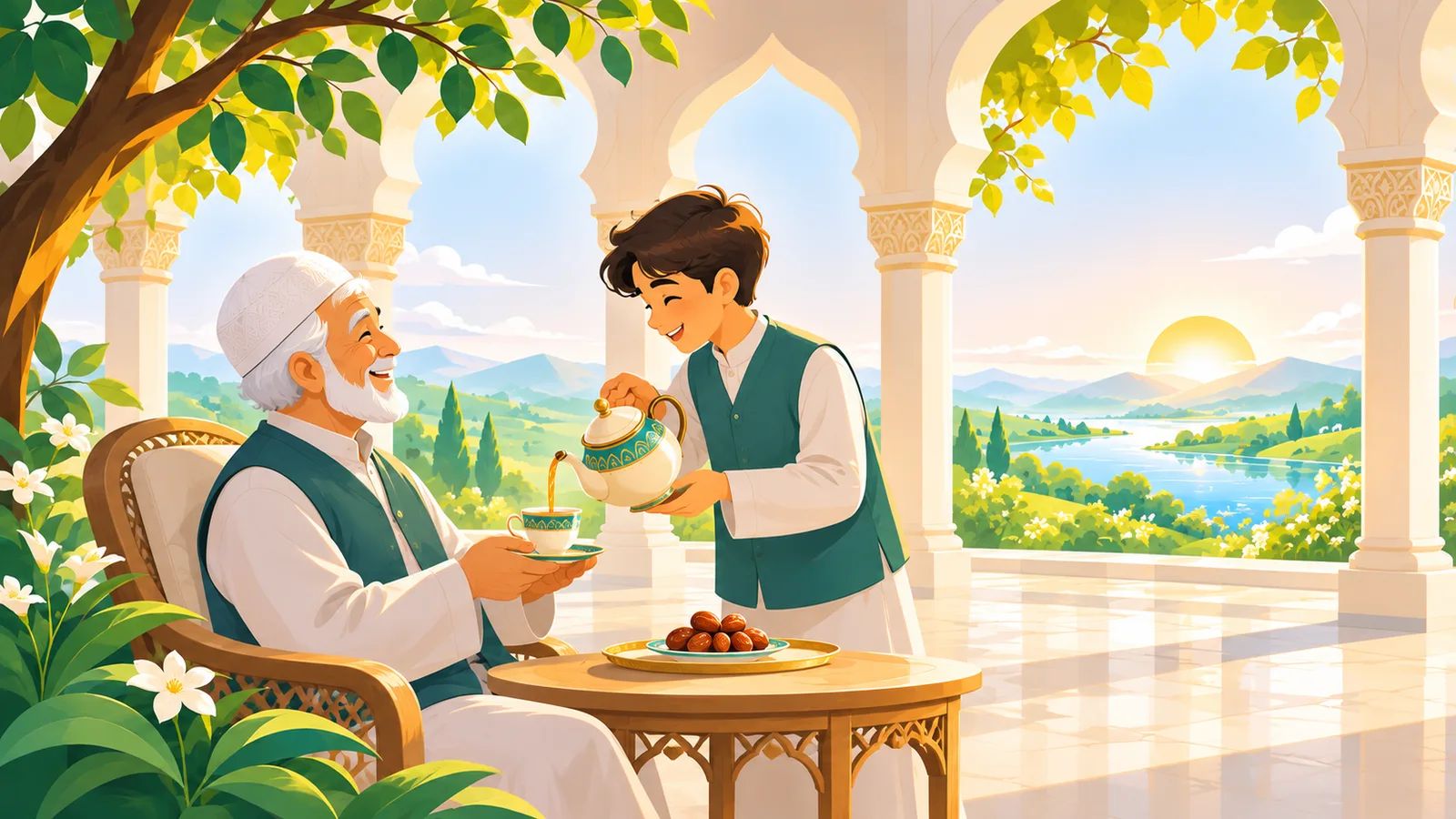
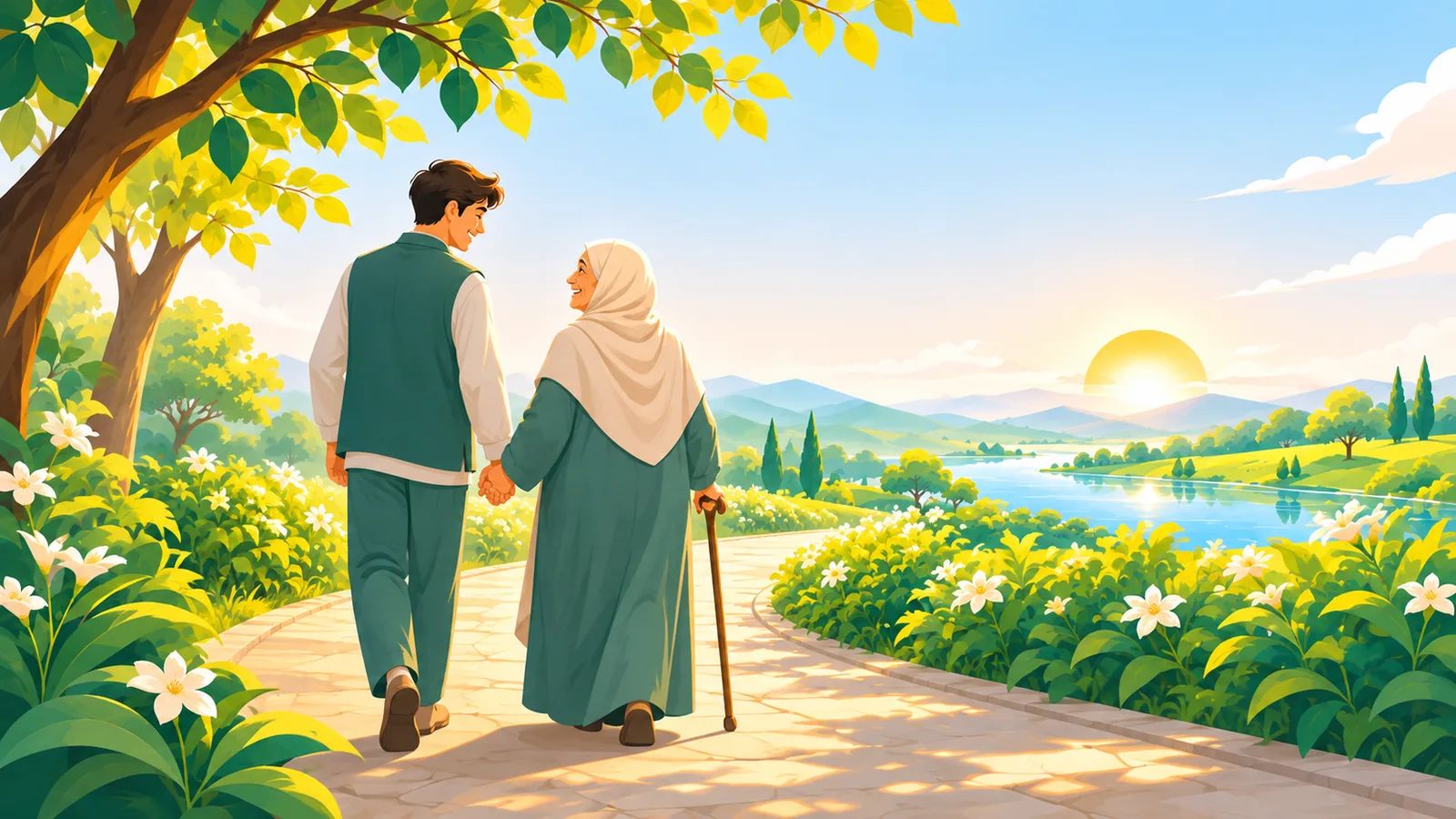
Many modern cultures celebrate youth and quietly hide old age away. Islam takes a different view. In its teaching, grey hair is a mark of a life lived, older people are the memory and blessing of a community, and caring for them is not a burden to be outsourced but a privilege to be competed for.
Old age is part of God’s design
The Qur’an describes human life as a journey from weakness to strength and back again:
۞ ٱللَّهُ ٱلَّذِى خَلَقَكُم مِّن ضَعْفٍۢ ثُمَّ جَعَلَ مِنۢ بَعْدِ ضَعْفٍۢ قُوَّةًۭ ثُمَّ جَعَلَ مِنۢ بَعْدِ قُوَّةٍۢ ضَعْفًۭا وَشَيْبَةًۭ ۚ يَخْلُقُ مَا يَشَآءُ ۖ وَهُوَ ٱلْعَلِيمُ ٱلْقَدِيرُ ﴿٥٤﴾ Allah is the one who created you from weakness, then made after weakness strength, then made after strength weakness and white hair. He creates what He wills, and He is the Knowing, the Competent.
Couldn't load — please try again.
This verse quietly removes the shame from ageing. Weakness at the end of life is not a failure; it is the same weakness everyone had at the beginning, and every young person will one day reach it too if they live long enough. The Qur’an even mentions that some people return to such an advanced age that they lose what they once knew (Qur’an 16:70). Seen this way, an older person who needs help is simply at a later stage of the same road we are all walking.
Respect is part of faith
The Prophet Muhammad ﷺ tied respect for the elderly directly to belonging to his community:
Amr bin Shu'aib narrated that his father, from his grandfather, who said that the Messenger of Allah said:'He is not one of us who does not have mercy upon our young, nor knows the honor of our elders
Couldn't load — please try again.
He paired two duties together: mercy towards the young and honour towards the old. A healthy community needs both. He also built respect for elders into everyday courtesy, teaching that the young should greet the old first:
Narrated Abu Huraira: The Prophet (ﷺ) said, "The young should greet the old, the passer by should greet the sitting one, and the small group of persons should greet the large group of persons
Couldn't load — please try again.
Muslim cultures have preserved many such habits: standing when an elder enters, offering them the best seat, serving them first, listening before speaking, and addressing them with titles of respect such as “uncle” or “aunt” even when they are not relatives. In another narration, the Prophet ﷺ described honouring a grey-haired Muslim as part of glorifying God (Sunan Abi Dawud 4843).
Worship that makes room for weakness
Islam’s care for the elderly is visible even in its rules of worship. The Prophet ﷺ told those who lead congregational prayer to keep it light, because among the people praying behind them are the weak, the sick and the old (Sahih al-Bukhari 703). Someone who cannot stand may pray sitting, and someone who cannot sit may pray lying on their side (Sahih al-Bukhari 1117). Older people who are no longer able to fast in Ramadan may instead feed a poor person for each day missed, as scholars have explained from the Qur’an (2:184).
The message is consistent: God does not ask more of anyone than they can bear, and the community is asked to adapt to its older members — not to leave them behind.
Caring for ageing parents
The heaviest responsibility falls on children. The Qur’an’s famous command about parents speaks specifically about old age:
۞ وَقَضَىٰ رَبُّكَ أَلَّا تَعْبُدُوٓا۟ إِلَّآ إِيَّاهُ وَبِٱلْوَٰلِدَيْنِ إِحْسَٰنًا ۚ إِمَّا يَبْلُغَنَّ عِندَكَ ٱلْكِبَرَ أَحَدُهُمَآ أَوْ كِلَاهُمَا فَلَا تَقُل لَّهُمَآ أُفٍّۢ وَلَا تَنْهَرْهُمَا وَقُل لَّهُمَا قَوْلًۭا كَرِيمًۭا ﴿٢٣﴾ And your Lord has decreed that you not worship except Him, and to parents, good treatment. Whether one or both of them reach old age [while] with you, say not to them [so much as], "uff," and do not repel them but speak to them a noble word.
Couldn't load — please try again.
Not even uff — the small sound of irritation that slips out when someone is slow or repeats themselves. Instead, a noble word. Anyone who has looked after an elderly parent knows how demanding this can be. That is exactly why Islam treats it as one of the greatest opportunities for reward. You can read more about this in parents in Islam.
In traditional Muslim societies, older parents usually live with or near their children, and the extended family shares their care. Circumstances today vary, and sometimes professional care is genuinely in an elderly person’s best interest. What Islam asks is that the decision be made out of love and responsibility, never neglect — and that visits, attention and kindness continue.
The blessing of the weak
Islam also reminds the strong that they are not as self-made as they think. The Prophet ﷺ once told a companion who thought himself better than others that the community is given victory and provision because of its weak (Sahih al-Bukhari 2896). Older people, with their prayers, experience and patience, are part of that hidden blessing. A society that honours them is not doing them a favour; it is protecting the source of its own good.
A closing thought
Every one of us, if we live long enough, will one day be the older person waiting for a visit or needing a hand. Islam asks us to treat the elderly now the way we hope to be treated then. To see how this connects to the wider Islamic vision of character, read good character in Islam.
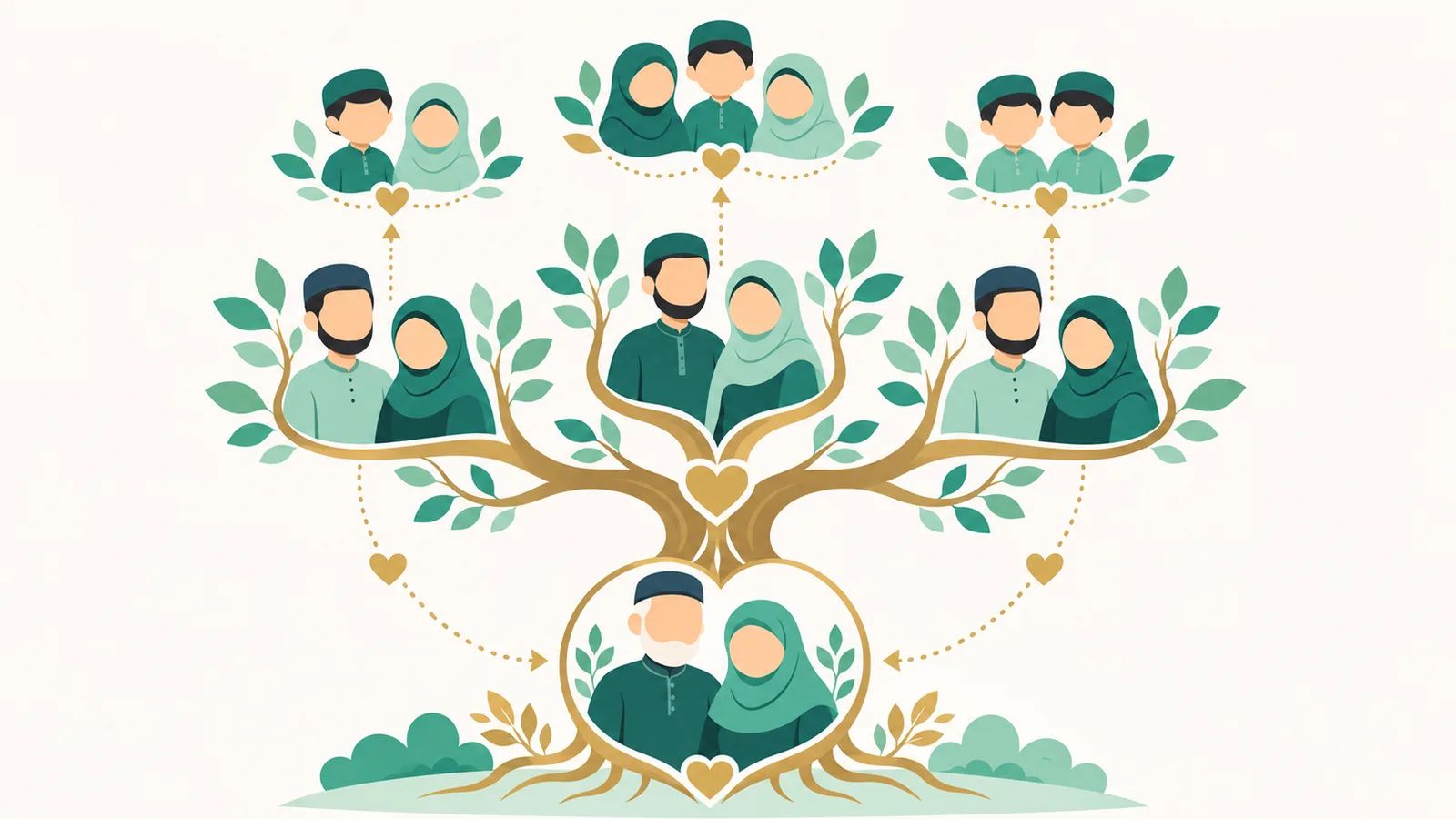
Key takeaways
- The Qur'an presents old age as a natural stage of life, not a loss of worth.
- Respecting elders is part of being a follower of the Prophet ﷺ.
- Islamic worship makes allowances for the weakness of old age.
- Caring for ageing parents is one of the greatest good deeds.