العربية
 Español
 Français
 中文
 हिन्दी
What Does Islam Say About the Environment?
Rivers choked with plastic, forests cleared, a climate growing less stable — few questions feel more urgent today than how we treat the planet. Islam did not use the word “environment”, but it has a great deal to say about the earth, its creatures and our responsibility for them.
Trustees, not owners
At the very beginning of the human story, the Qur’an describes God announcing to the angels that He would place a khalifah on earth:
وَإِذْ قَالَ رَبُّكَ لِلْمَلَٰٓئِكَةِ إِنِّى جَاعِلٌۭ فِى ٱلْأَرْضِ خَلِيفَةًۭ ۖ قَالُوٓا۟ أَتَجْعَلُ فِيهَا مَن يُفْسِدُ فِيهَا وَيَسْفِكُ ٱلدِّمَآءَ وَنَحْنُ نُسَبِّحُ بِحَمْدِكَ وَنُقَدِّسُ لَكَ ۖ قَالَ إِنِّىٓ أَعْلَمُ مَا لَا تَعْلَمُونَ ﴿٣٠﴾ And [mention, O Muhammad], when your Lord said to the angels, "Indeed, I will make upon the earth a successive authority." They said, "Will You place upon it one who causes corruption therein and sheds blood, while we declare Your praise and sanctify You?" Allah said, "Indeed, I know that which you do not know."
Couldn't load — please try again.
A khalifah is a successor or trustee — someone given authority over something that ultimately belongs to another. The Qur’an repeats that God has made human beings successors on the earth in order to test them through what He has given (6:165). The earth is not ours to do with as we please; it is a trust we will be asked about.
The Prophet Muhammad ﷺ put the same idea in vivid words:
…The world is sweet and green (alluring) and verily Allah is going to install you as vicegerent in it in order to see how you act.…
Couldn't load — please try again.
A creation that worships
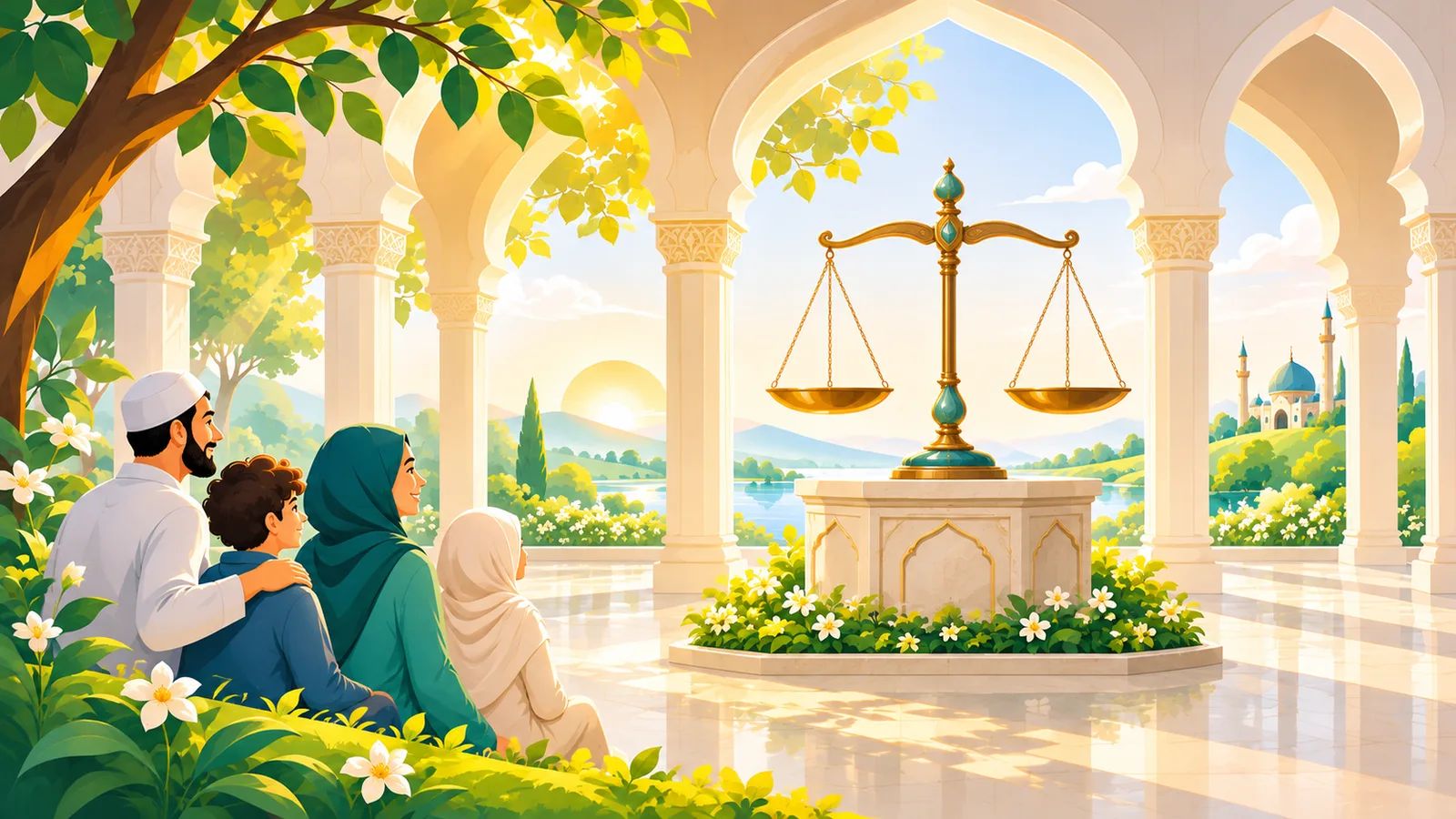
In the Islamic view, nature is not dead matter. The Qur’an says that the heavens, the earth and everything in them glorify God, though we do not understand their praise (17:44), and that animals and birds form communities like ours (6:38). The order of the universe is described as a balance (mizan) that humans must not upset (55:7–9). Because creation belongs to God and worships Him, it has value in itself — not only as a resource for us. For more on animals, see animals in Islam.
Corruption on land and sea
The Qur’an names environmental harm, along with other kinds of wrongdoing, as fasad — corruption:
ظَهَرَ ٱلْفَسَادُ فِى ٱلْبَرِّ وَٱلْبَحْرِ بِمَا كَسَبَتْ أَيْدِى ٱلنَّاسِ لِيُذِيقَهُم بَعْضَ ٱلَّذِى عَمِلُوا۟ لَعَلَّهُمْ يَرْجِعُونَ ﴿٤١﴾ Corruption has appeared throughout the land and sea by [reason of] what the hands of people have earned so He may let them taste part of [the consequence of] what they have done that perhaps they will return [to righteousness].
Couldn't load — please try again.
The verse links what we see in the world to what human hands have done, and it ends with hope: the consequences are a warning so that people might return to what is right. Elsewhere the Qur’an forbids spreading corruption on the earth after it has been set in order (7:56).
Moderation and waste
Islam treats waste as a moral failing. The Qur’an tells people to eat and drink but not to be excessive, for God does not love those who waste (7:31). The Prophet ﷺ himself used remarkably little water — performing his ablution for prayer with about one mudd, roughly two handfuls (Sahih al-Bukhari 201). If such restraint was taught where water was used for worship, how much more for luxury and convenience? Consuming less, repairing rather than discarding, and sharing what we do not need are all ways of living this teaching.
Planting for the future
One of the most beautiful teachings on this subject is about planting:
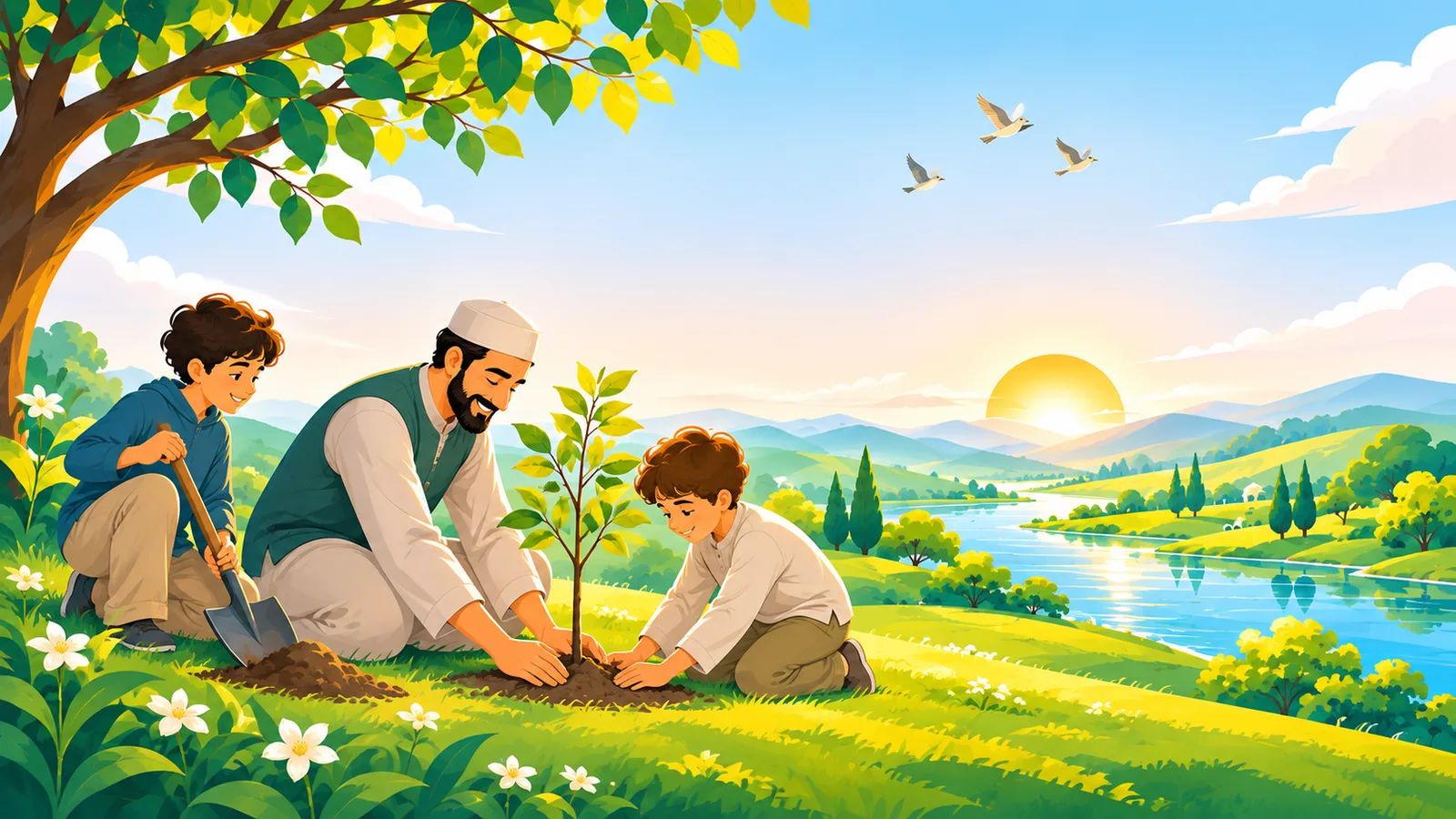
Narrated Anas bin Malik: Allah's Messenger (ﷺ) said, "There is none amongst the Muslims who plants a tree or sows seeds, and then a bird, or a person or an animal eats from it, but is regarded as a charitable gift for him
Couldn't load — please try again.
Every bird that rests in the tree, every person who eats its fruit, every animal that shelters in its shade adds to the planter’s reward — even long after they have died. Islam also protected certain areas: the sacred precincts of Mecca and Medina have rules against cutting trees and hunting, and early Muslim governments set aside protected lands (hima) for grazing and conservation.
Worship in everyday life
For a Muslim, caring for the environment is not a separate political cause; it flows from faith. The Prophet ﷺ said that the whole earth has been made a place of prayer (Sahih al-Bukhari 335) — so polluting it is like dirtying a mosque. Recycling, saving energy, planting, avoiding waste and speaking up against those who destroy land and water for profit can all be acts of worship when done for God.
A closing thought
The earth is a gift, a trust and a sign pointing to its Creator. Islam asks us to enjoy it with gratitude, use it with restraint, and leave it better for those who come after us. To explore how the natural world points to God, read science in Islam.
Key takeaways
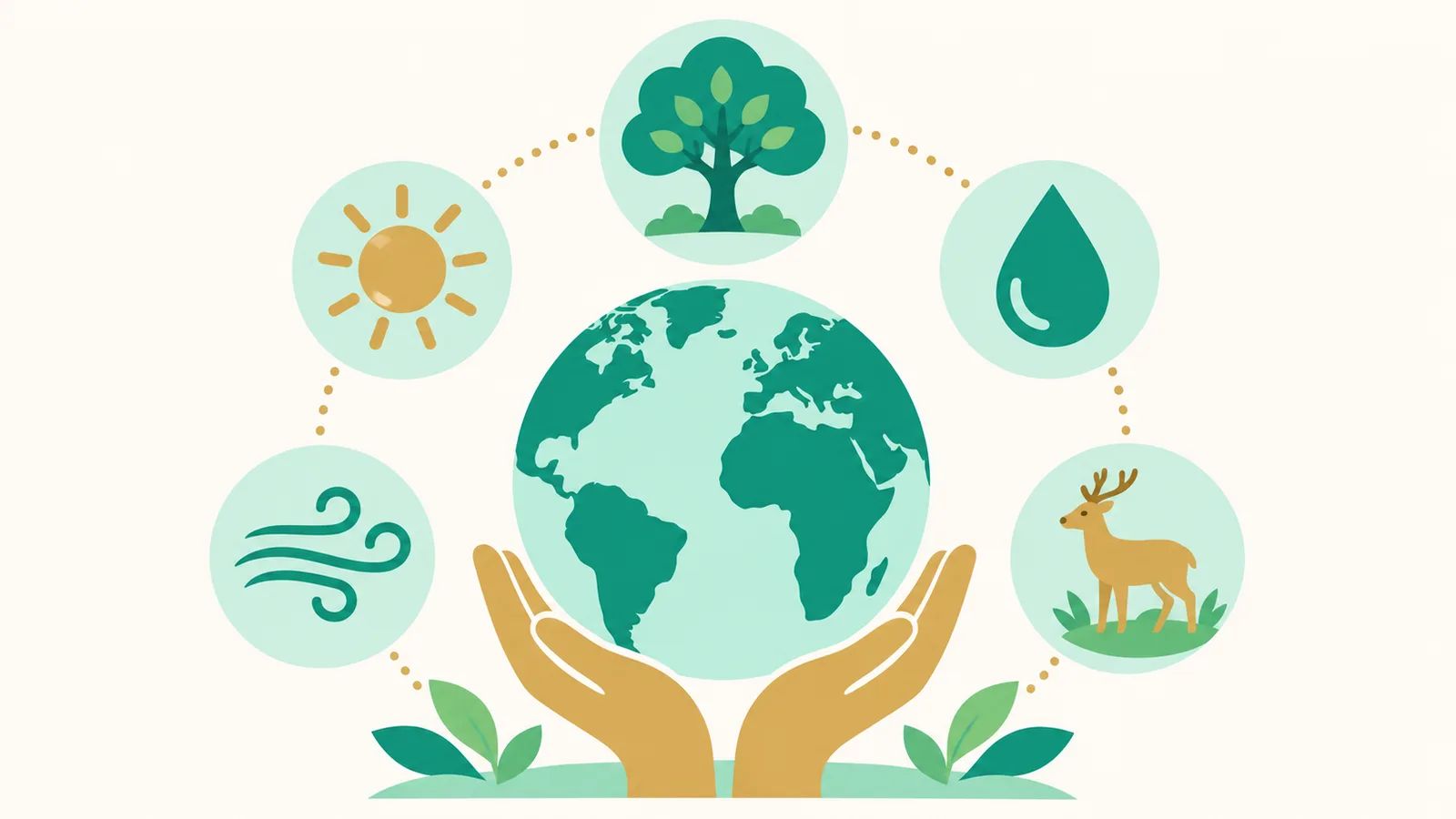
- Humans are trustees (khalifah) of the earth, answerable to God for how they use it.
- All of creation praises God and has value beyond its usefulness to us.
- Corruption of land and sea, waste and excess are condemned.
- Planting trees and sowing seeds earn ongoing reward.
- Caring for the environment is part of worship, not a separate cause.