العربية
 Español
 Français
 中文
 हिन्दी
Why Is Honesty So Important in Islam?

Before anyone in Mecca believed that Muhammad ﷺ was a prophet, they already trusted him with their valuables. They called him al-Amin, “the trustworthy one”. Even his fiercest opponents rarely accused him of lying about ordinary things. Islam asks every Muslim to aim for that same reputation — to be the kind of person whose word needs no oath.
Truthfulness: more than not lying
The Arabic word for truthfulness, sidq, means more than avoiding false statements. It describes a life in which a person’s words match reality, their actions match their words, and their outward behaviour matches what is in their heart. The Qur’an makes it a command:
يَٰٓأَيُّهَا ٱلَّذِينَ ءَامَنُوا۟ ٱتَّقُوا۟ ٱللَّهَ وَكُونُوا۟ مَعَ ٱلصَّٰدِقِينَ ﴿١١٩﴾ O you who have believed, fear Allah and be with those who are true.
Couldn't load — please try again.
It also links honest, upright speech with God’s help in setting our lives right:
يَٰٓأَيُّهَا ٱلَّذِينَ ءَامَنُوا۟ ٱتَّقُوا۟ ٱللَّهَ وَقُولُوا۟ قَوْلًۭا سَدِيدًۭا ﴿٧٠﴾ يُصْلِحْ لَكُمْ أَعْمَٰلَكُمْ وَيَغْفِرْ لَكُمْ ذُنُوبَكُمْ ۗ وَمَن يُطِعِ ٱللَّهَ وَرَسُولَهُۥ فَقَدْ فَازَ فَوْزًا عَظِيمًا ﴿٧١﴾ 70O you who have believed, fear Allah and speak words of appropriate justice. 71He will [then] amend for you your deeds and forgive you your sins. And whoever obeys Allah and His Messenger has certainly attained a great attainment.
Couldn't load — please try again.
And it rebukes people who say what they do not do, calling this deeply hateful to God (Qur’an 61:2-3). In other words, honesty includes integrity: not promising what you have no intention of doing, and not preaching what you do not practise. As explored in good character in Islam, the Prophet ﷺ taught that truthfulness leads to righteousness and righteousness leads to Paradise (Sahih al-Bukhari 6094).
The marks of hypocrisy
In Islamic teaching, the opposite of a believer is not only an open unbeliever but also the hypocrite (munafiq) — someone who shows faith outwardly while lacking it inwardly. The Prophet ﷺ gave a simple test:
Narrated Abu Huraira: The Prophet (ﷺ) said, "The signs of a hypocrite are three: 1. Whenever he speaks, he tells a lie. 2. Whenever he promises, he always breaks it (his promise ). 3. If you trust him, he proves to be dishonest. (If you keep something as a trust with him, he will not return it)
Couldn't load — please try again.
Every one of these signs is a form of dishonesty: in speech, in promises, and in trust. This hadith has made keeping one’s word a serious religious matter for Muslims. A promise to a business partner, a deadline at work, a commitment to a friend — all of them are part of a person’s faith, not something separate from it.
Honesty in buying and selling
Islam pays close attention to honesty in trade, because that is where the temptation to cut corners is strongest. The Prophet ﷺ promised blessing to honest traders:
Narrated Hakim bin Hizam: Allah's Messenger (ﷺ) said, "The seller and the buyer have the right to keep or return goods as long as they have not parted or till they part; and if both the parties spoke the truth and described the defects and qualities (of the goods), then they would be blessed in their transaction, and if they told lies or hid something, then the blessings of their transaction would be lost
Couldn't load — please try again.
He also inspected the market himself. Once he put his hand into a pile of grain and found it was wet underneath. The seller explained that rain had fallen on it, and the Prophet ﷺ asked why he had not put the wet grain on top where buyers could see it, adding that whoever cheats is not one of his followers (Sahih Muslim 284). The Qur’an likewise warns those who give short measure while demanding full measure for themselves (Qur’an 83:1-3).
The principle is clear: disclose defects, describe goods accurately, and never profit by deceiving someone. For more on Islam’s economic ethics, see wealth and money in Islam.
Honesty even when it costs you
The hardest honesty is the kind that works against our own interests. The Qur’an commands believers to stand firm for justice as witnesses for God, even if it is against themselves, their parents or their relatives, and whether the person concerned is rich or poor (Qur’an 4:135). Telling the truth about our own mistakes, giving testimony that harms a friend’s case, or admitting fault in a dispute are all part of this.
Islam does recognise a narrow mercy here: the Prophet ﷺ said that someone who makes peace between people by passing on good words is not a liar (Sahih al-Bukhari 2692). Scholars have discussed carefully how far this goes — it is about reconciling people and sparing feelings, not about deceiving anyone for gain.
Truth brings peace
There is a psychological wisdom in all this. Lies have to be remembered, defended and covered with further lies. The Prophet ﷺ put it in a single line:
Al-Hasan bin 'Ali said:"I remember that the Messenger of Allah (s.a.w) said: 'Leave what makes you in doubt for what does not make you in doubt. The truth brings tranquility while falsehood sows doubt.'" Another chain reports a similar narration
Couldn't load — please try again.
A truthful person has nothing to hide and nothing to keep track of. Their conscience is at rest, and the people around them can rest too.
A closing thought
Islam does not only ask Muslims to avoid lies; it asks them to become people of truth, in what they say, what they promise and how they trade. If you would like to know more about the man Muslims regard as the model of this honesty, read who was Prophet Muhammad ﷺ?
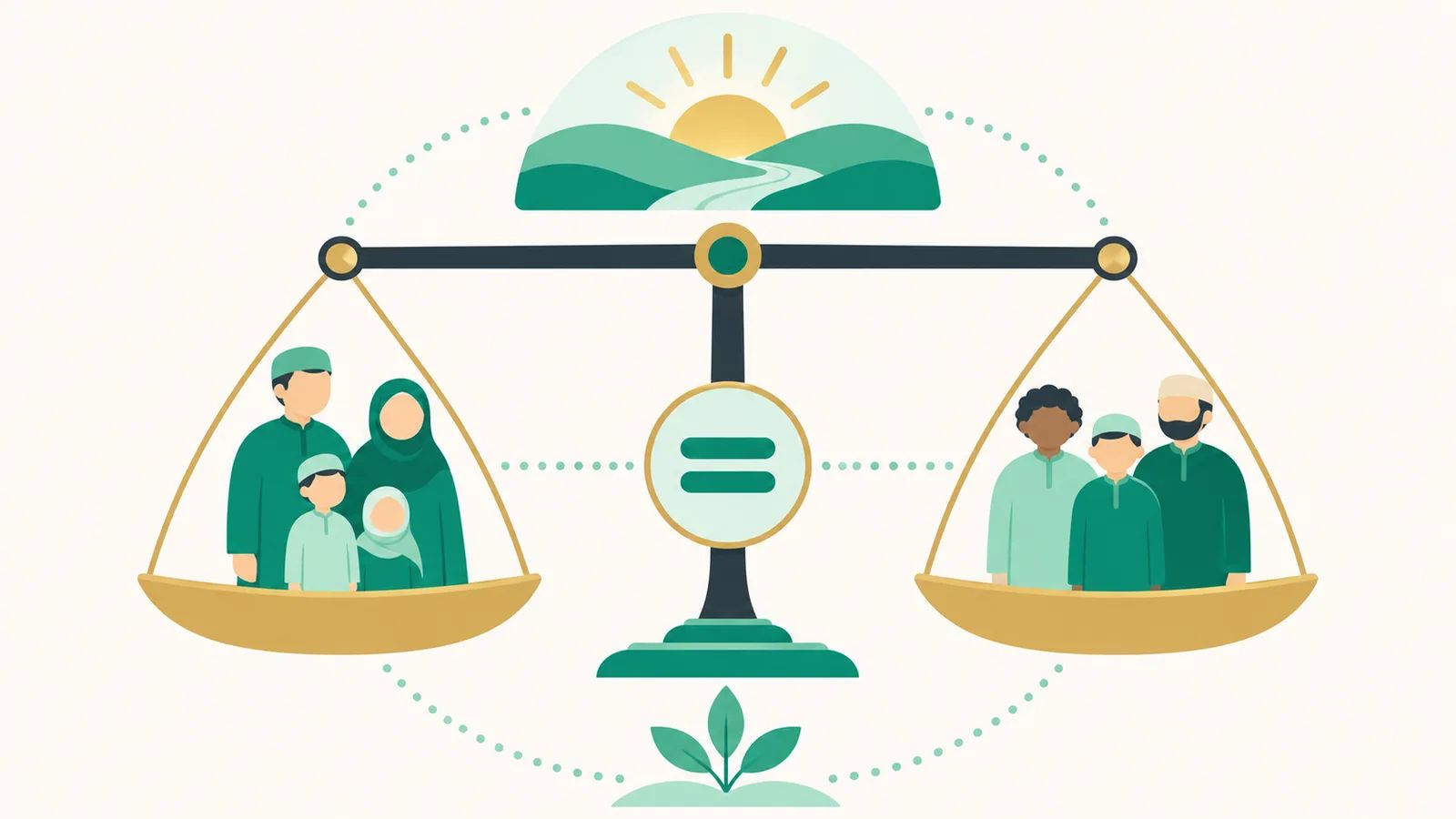
Key takeaways
- Truthfulness (sidq) is a quality of the heart, the tongue and actions.
- Lying, breaking promises and betraying trust are signs of hypocrisy.
- Honesty in trade is a religious duty, and cheating is condemned.
- Truth brings peace of mind, while lies breed doubt.