العربية
 Español
 Français
 中文
 हिन्दी
How Should Muslims Treat Non-Muslims?

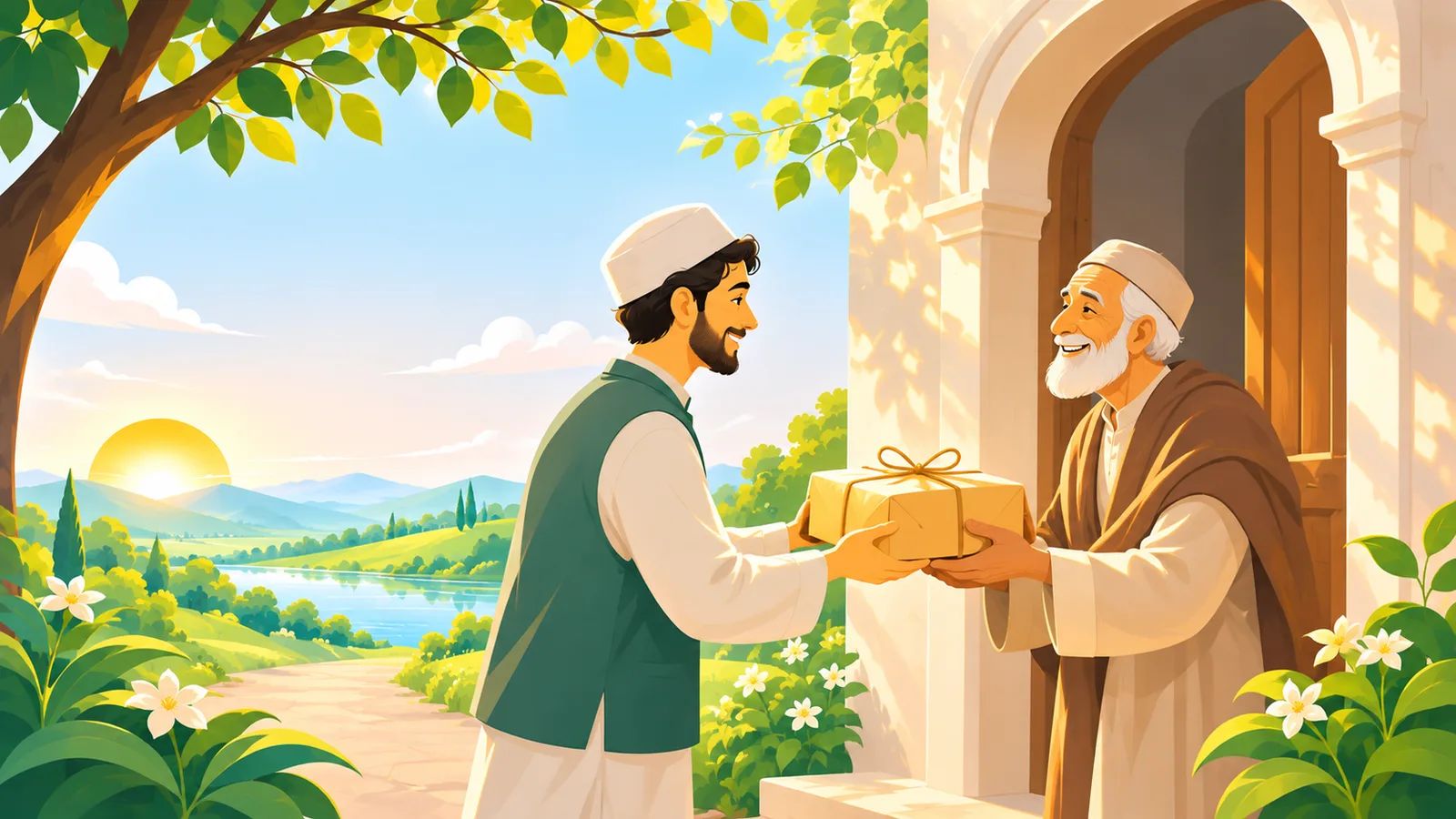
If you are not a Muslim, you may wonder how your Muslim colleague, neighbour or friend is taught to see you. Are you a stranger, a rival, or a fellow human being? The Islamic sources give a clear and generous answer — and they also contain teachings that are often quoted out of context, so it is worth looking carefully.
The foundational verse
The clearest guidance comes in two verses revealed in Medina, at a time when the Muslims had been driven from their homes by their enemies:
لَّا يَنْهَىٰكُمُ ٱللَّهُ عَنِ ٱلَّذِينَ لَمْ يُقَٰتِلُوكُمْ فِى ٱلدِّينِ وَلَمْ يُخْرِجُوكُم مِّن دِيَٰرِكُمْ أَن تَبَرُّوهُمْ وَتُقْسِطُوٓا۟ إِلَيْهِمْ ۚ إِنَّ ٱللَّهَ يُحِبُّ ٱلْمُقْسِطِينَ ﴿٨﴾ إِنَّمَا يَنْهَىٰكُمُ ٱللَّهُ عَنِ ٱلَّذِينَ قَٰتَلُوكُمْ فِى ٱلدِّينِ وَأَخْرَجُوكُم مِّن دِيَٰرِكُمْ وَظَٰهَرُوا۟ عَلَىٰٓ إِخْرَاجِكُمْ أَن تَوَلَّوْهُمْ ۚ وَمَن يَتَوَلَّهُمْ فَأُو۟لَٰٓئِكَ هُمُ ٱلظَّٰلِمُونَ ﴿٩﴾ 8Allah does not forbid you from those who do not fight you because of religion and do not expel you from your homes - from being righteous toward them and acting justly toward them. Indeed, Allah loves those who act justly. 9Allah only forbids you from those who fight you because of religion and expel you from your homes and aid in your expulsion - [forbids] that you make allies of them. And whoever makes allies of them, then it is those who are the wrongdoers.
Couldn't load — please try again.
The first verse sets the general rule: with people of other faiths who do not fight Muslims or drive them from their homes, Muslims should show birr and qist. Birr is the same word the Qur’an uses for devotion to one’s parents — warm, generous goodness. Qist is fairness. The second verse limits the exception to those actively waging war against Muslims. Scholars read other verses that warn against taking certain people as allies or protectors in the light of these two: they concern loyalty in times of hostility, not ordinary kindness, fairness and good relations.
Justice even toward those you dislike
Islam does not make justice depend on friendship. The Qur’an commands:
يَٰٓأَيُّهَا ٱلَّذِينَ ءَامَنُوا۟ كُونُوا۟ قَوَّٰمِينَ لِلَّهِ شُهَدَآءَ بِٱلْقِسْطِ ۖ وَلَا يَجْرِمَنَّكُمْ شَنَـَٔانُ قَوْمٍ عَلَىٰٓ أَلَّا تَعْدِلُوا۟ ۚ ٱعْدِلُوا۟ هُوَ أَقْرَبُ لِلتَّقْوَىٰ ۖ وَٱتَّقُوا۟ ٱللَّهَ ۚ إِنَّ ٱللَّهَ خَبِيرٌۢ بِمَا تَعْمَلُونَ ﴿٨﴾ O you who have believed, be persistently standing firm for Allah, witnesses in justice, and do not let the hatred of a people prevent you from being just. Be just; that is nearer to righteousness. And fear Allah; indeed, Allah is Acquainted with what you do.
Couldn't load — please try again.
A Muslim judge, employer, teacher or neighbour must be fair to everyone, including people who oppose them. Hatred is never an excuse for injustice. For more on this, see justice in Islam.
How the Prophet ﷺ lived it
The Prophet’s own life is the best commentary on these verses. When Asma, the daughter of his close companion Abu Bakr, was visited by her mother, who had not accepted Islam, she asked whether she should treat her kindly:
Narrated Asma' bint Abu Bakr: My mother came to me during the lifetime of Allah's Messenger (ﷺ) and she was a pagan. I said to Allah's Apostle (seeking his verdict), "My mother has come to me and she desires to receive a reward from me, shall I keep good relations with her?" The Prophet (ﷺ) said, "Yes, keep good relation with her
Couldn't load — please try again.
He also traded with non-Muslims. When he died, his armour was held by a Jewish man as security for a loan of barley (Sahih al-Bukhari 2916) — a simple sign that everyday business and trust crossed religious lines. And when a Jewish funeral passed by, he stood up in respect. When someone pointed out whose funeral it was, he answered with a short question:
…Is it not a living being (soul)?…
Couldn't load — please try again.
The covenant of protection
As Muslim states grew, Christians, Jews, Zoroastrians and others lived within them. Islamic law gave them a dhimma — a covenant of protection, guaranteed by God and His Messenger. They kept their places of worship, their religious practice and their own laws in matters such as marriage and inheritance. They paid a tax called jizya and were exempt from military service and from zakat, which is required of Muslims. The Prophet ﷺ warned:
Narrated A number of Companions of the Prophet: Safwan reported from a number of Companions of the Messenger of Allah (ﷺ) on the authority of their fathers who were relatives of each other. The Messenger of Allah (ﷺ) said: Beware, if anyone wrongs a contracting man, or diminishes his right, or forces him to work beyond his capacity, or takes from him anything without his consent, I shall plead for him on the Day of Judgment
Couldn't load — please try again.
He also said that whoever kills a person under such a covenant will not even smell the fragrance of Paradise (Sahih al-Bukhari 3166).
History is honest about both sides. For long periods, Jewish and Christian communities found safety under Muslim rule that they did not find elsewhere; at other times and places, rulers fell short of these teachings. The classical system also included legal distinctions between Muslims and others. Today most Muslims live in modern nation-states, and many contemporary scholars hold that equal citizenship under a just agreement fulfils the spirit of the covenant. Scholars discuss the details in different ways — see where Muslims differ.
Disagreement with dignity
Muslims believe Islam is the truth, and they hope others will come to see it. But they are told never to force it (see no compulsion in religion) and to discuss faith with the People of the Scripture only in the best way (Qur’an 29:46). Difference of belief does not cancel human dignity: God has honoured all the children of Adam (Qur’an 17:70).
A closing thought
The picture that emerges is not of suspicion but of neighbourliness, fairness and respect — held together with honest conviction. If you would like to understand how Muslims see Christianity and Judaism in particular, read Islam and Christianity or Islam and Judaism.
Key takeaways
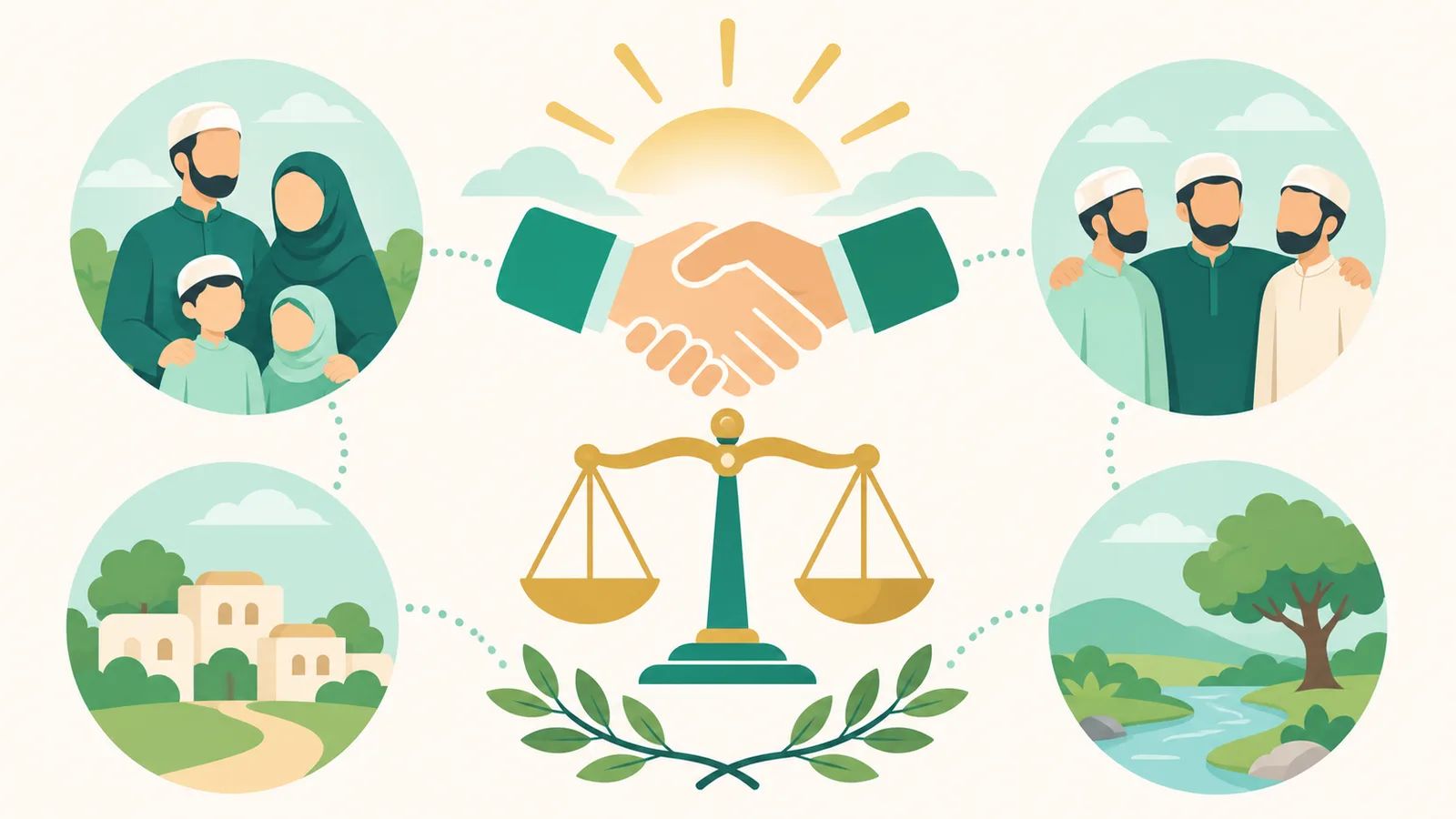
- Kindness and justice toward peaceful non-Muslims are commanded, not merely allowed.
- Justice must be done even toward people one dislikes.
- The Prophet ﷺ kept family ties, business dealings and human respect with non-Muslims.
- Non-Muslims under Muslim rule were given a covenant of protection for life, property and worship.