العربية
 Español
 Français
 中文
 हिन्दी
What Does Islam Teach About Women?
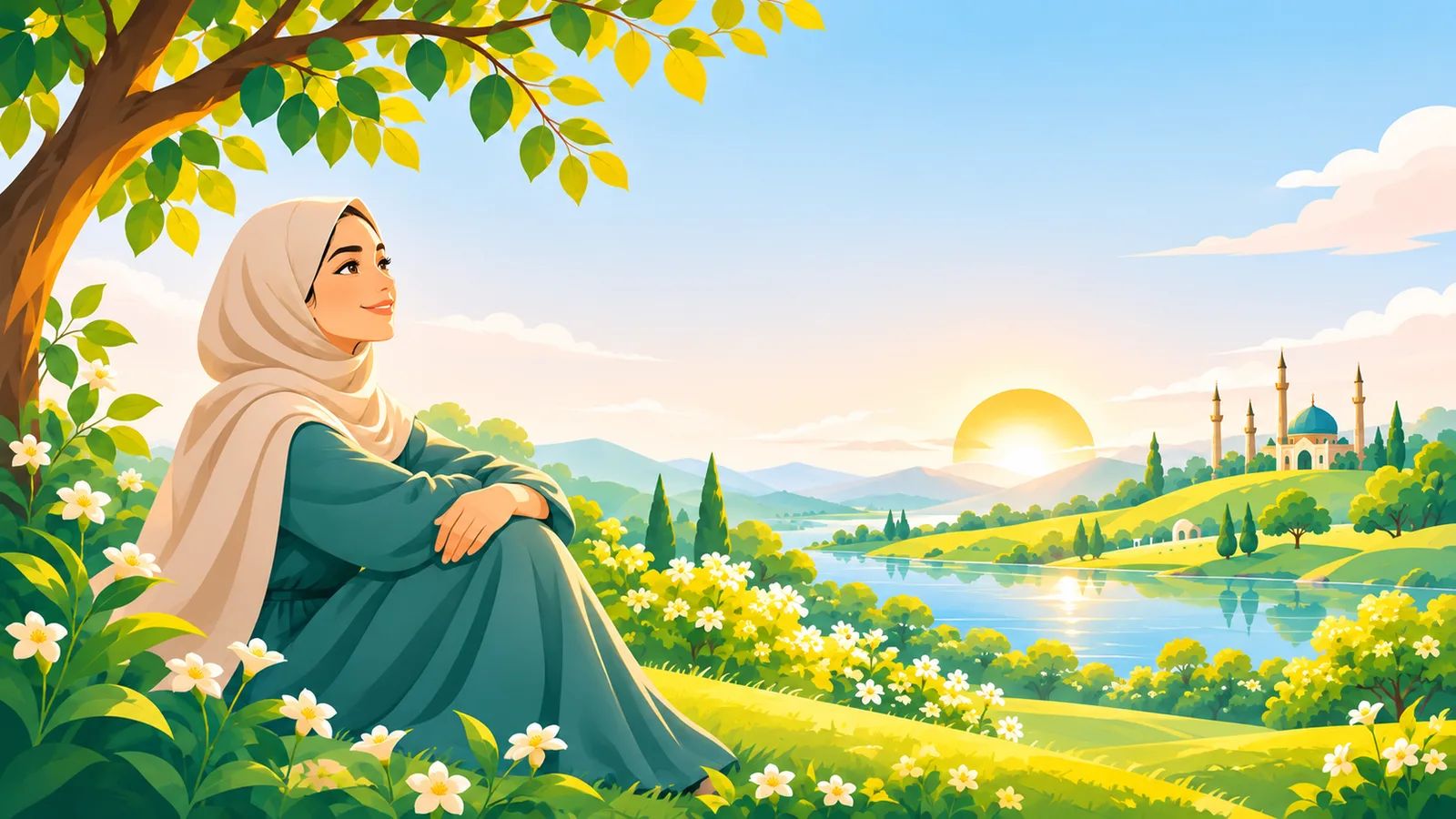
Ask almost anyone what they have heard about women in Islam, and the answer is usually shaped by headlines rather than by the Qur’an. This article goes back to the sources — what they actually say, what they do not say, and where the roles of men and women honestly differ.
Created from one soul
The fourth chapter of the Qur’an is called An-Nisa, “The Women”. It opens by reminding all of humanity where it came from:
يَٰٓأَيُّهَا ٱلنَّاسُ ٱتَّقُوا۟ رَبَّكُمُ ٱلَّذِى خَلَقَكُم مِّن نَّفْسٍۢ وَٰحِدَةٍۢ وَخَلَقَ مِنْهَا زَوْجَهَا وَبَثَّ مِنْهُمَا رِجَالًۭا كَثِيرًۭا وَنِسَآءًۭ ۚ وَٱتَّقُوا۟ ٱللَّهَ ٱلَّذِى تَسَآءَلُونَ بِهِۦ وَٱلْأَرْحَامَ ۚ إِنَّ ٱللَّهَ كَانَ عَلَيْكُمْ رَقِيبًۭا ﴿١﴾ O mankind, fear your Lord, who created you from one soul and created from it its mate and dispersed from both of them many men and women. And fear Allah, through whom you ask one another, and the wombs. Indeed Allah is ever, over you, an Observer.
Couldn't load — please try again.
There is no story in the Qur’an of woman being created as an afterthought, or of Eve being blamed for humanity’s fall. In the Qur’an’s telling, Adam and his wife were tempted together, turned to God together, and asked for His forgiveness together (Qur’an 7:23). Neither sex carries an inherited guilt.
Equal in the sight of God
The Qur’an addresses men and women side by side, again and again. One verse lists ten beautiful qualities — submission to God, faith, devotion, truthfulness, patience, humility, generosity, fasting, chastity and remembrance of God — and names each one twice, once for men and once for women:
إِنَّ ٱلْمُسْلِمِينَ وَٱلْمُسْلِمَٰتِ وَٱلْمُؤْمِنِينَ وَٱلْمُؤْمِنَٰتِ وَٱلْقَٰنِتِينَ وَٱلْقَٰنِتَٰتِ وَٱلصَّٰدِقِينَ وَٱلصَّٰدِقَٰتِ وَٱلصَّٰبِرِينَ وَٱلصَّٰبِرَٰتِ وَٱلْخَٰشِعِينَ وَٱلْخَٰشِعَٰتِ وَٱلْمُتَصَدِّقِينَ وَٱلْمُتَصَدِّقَٰتِ وَٱلصَّٰٓئِمِينَ وَٱلصَّٰٓئِمَٰتِ وَٱلْحَٰفِظِينَ فُرُوجَهُمْ وَٱلْحَٰفِظَٰتِ وَٱلذَّٰكِرِينَ ٱللَّهَ كَثِيرًۭا وَٱلذَّٰكِرَٰتِ أَعَدَّ ٱللَّهُ لَهُم مَّغْفِرَةًۭ وَأَجْرًا عَظِيمًۭا ﴿٣٥﴾ Indeed, the Muslim men and Muslim women, the believing men and believing women, the obedient men and obedient women, the truthful men and truthful women, the patient men and patient women, the humble men and humble women, the charitable men and charitable women, the fasting men and fasting women, the men who guard their private parts and the women who do so, and the men who remember Allah often and the women who do so - for them Allah has prepared forgiveness and a great reward.
Couldn't load — please try again.
Elsewhere God promises that He will never let the good deeds of any believer go to waste, whether male or female (Qur’an 3:195). A woman’s prayer, her fasting, her charity and her character are worth exactly as much as a man’s. Her relationship with God is her own; no husband, father or priest stands between them.
Rights of her own
Islam gave women rights that, in many parts of the world, they would not receive for many centuries:
- Property and inheritance. The Qur’an gives women a fixed share of inheritance (4:7) and says that women keep what they earn, just as men do (4:32). A married woman’s wealth remains entirely hers.
- The bridal gift. At marriage the husband gives the bride a gift called the mahr. It belongs to her, not to her father or family (Qur’an 4:4).
Learning. Women in the Prophet’s time were eager to learn their faith, and he made time for them:
…Some women requested the Prophet (ﷺ) to fix a day for them as the men were taking all his time. On that he promised them one day for religious lessons and commandments.…
Couldn't load — please try again.
His wife Aisha became one of the great teachers of the early Muslim community, and over the centuries many women became respected scholars whom men travelled to learn from.
Consent in marriage. A woman cannot be married against her will. When a woman complained that her father had married her to a man she did not want, the Prophet ﷺ cancelled the marriage:
Narrated Khansa bint Khidam Al-Ansariya: that her father gave her in marriage when she was a matron and she disliked that marriage. So she went to Allah's Messenger (ﷺ) and he declared that marriage invalid
Couldn't load — please try again.
The honour of mothers
The Qur’an reminds every person that their mother carried them through weakness and exhaustion before they were born (Qur’an 31:14). And when a man asked the Prophet ﷺ who most deserved his kindness, the answer was striking:
Narrated Abu Huraira: A man came to Allah's Messenger (ﷺ) and said, "O Allah's Messenger (ﷺ)! Who is more entitled to be treated with the best companionship by me?" The Prophet (ﷺ) said, "Your mother." The man said. "Who is next?" The Prophet said, "Your mother." The man further said, "Who is next?" The Prophet (ﷺ) said, "Your mother." The man asked for the fourth time, "Who is next?" The Prophet (ﷺ) said, "Your father
Couldn't load — please try again.
The Prophet ﷺ named the mother three times before mentioning the father. In Muslim families, caring for one’s mother is not a sentimental extra — it is a religious duty and a path to God’s pleasure.
Different roles, equal worth
It would not be honest to say that Islam treats men and women as identical in every respect. It does not. The Qur’an gives husbands the responsibility of leading and financially providing for the family (4:34); a wife is never required to spend her own money on the household. In inheritance, a son usually receives twice the share of a daughter (4:11), which classical scholars explain by the son’s duty to support others — a duty his sister does not carry. There are also differences in some acts of worship and in some areas of law.
Muslims understand these differences as a division of responsibilities within a family, not as a ranking of human value. The only ranking the Qur’an recognises is righteousness (49:13). Some readers will still find parts of this hard, and that is a fair conversation to have; we look at the most common concerns, including the more difficult verses, in Are women oppressed in Islam? On some practical questions, scholars have long held different views — see where Muslims differ.
It is also important to separate Islam from the behaviour of some Muslims. Where women have been denied education, forced into marriage or cheated of their inheritance, that happened against these teachings, not because of them.
A closing thought
The picture that emerges from the sources is of women as full moral and spiritual persons: answerable to God for themselves, entitled to their own wealth and choices, and honoured especially as mothers. If you would like to go further, read about marriage in Islam or why many Muslim women wear the hijab.
Key takeaways
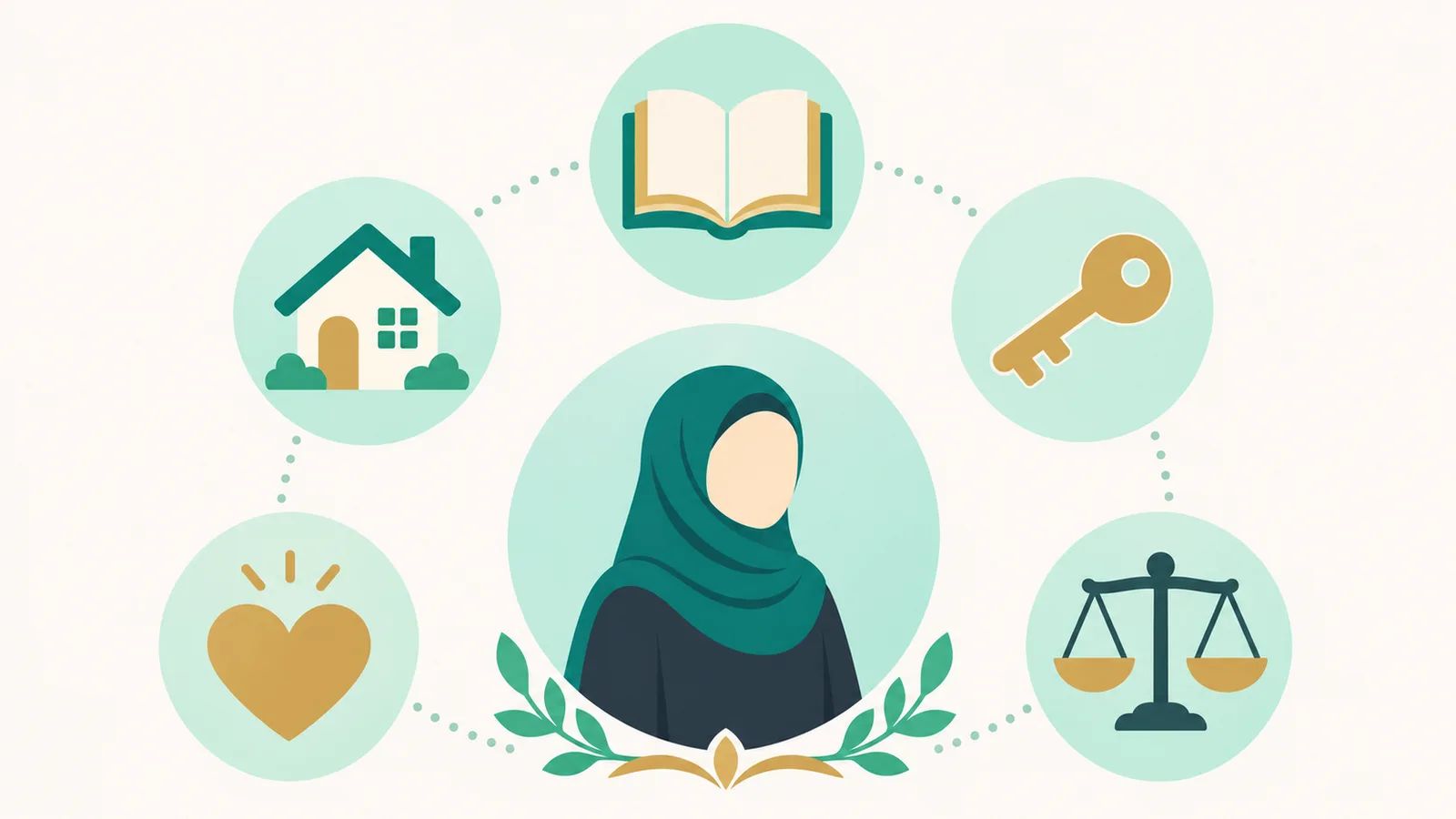
- Men and women were created from one soul and are equal in spiritual worth.
- The Qur'an gives women their own property, inheritance and earnings.
- A woman's consent is required for her marriage.
- Mothers are given a special place of honour.
- Some roles and rulings differ — Muslims see this as shared responsibility, not a ranking of worth.