العربية
 Español
 Français
 中文
 हिन्दी
Reincarnation or Resurrection? Comparing Beliefs
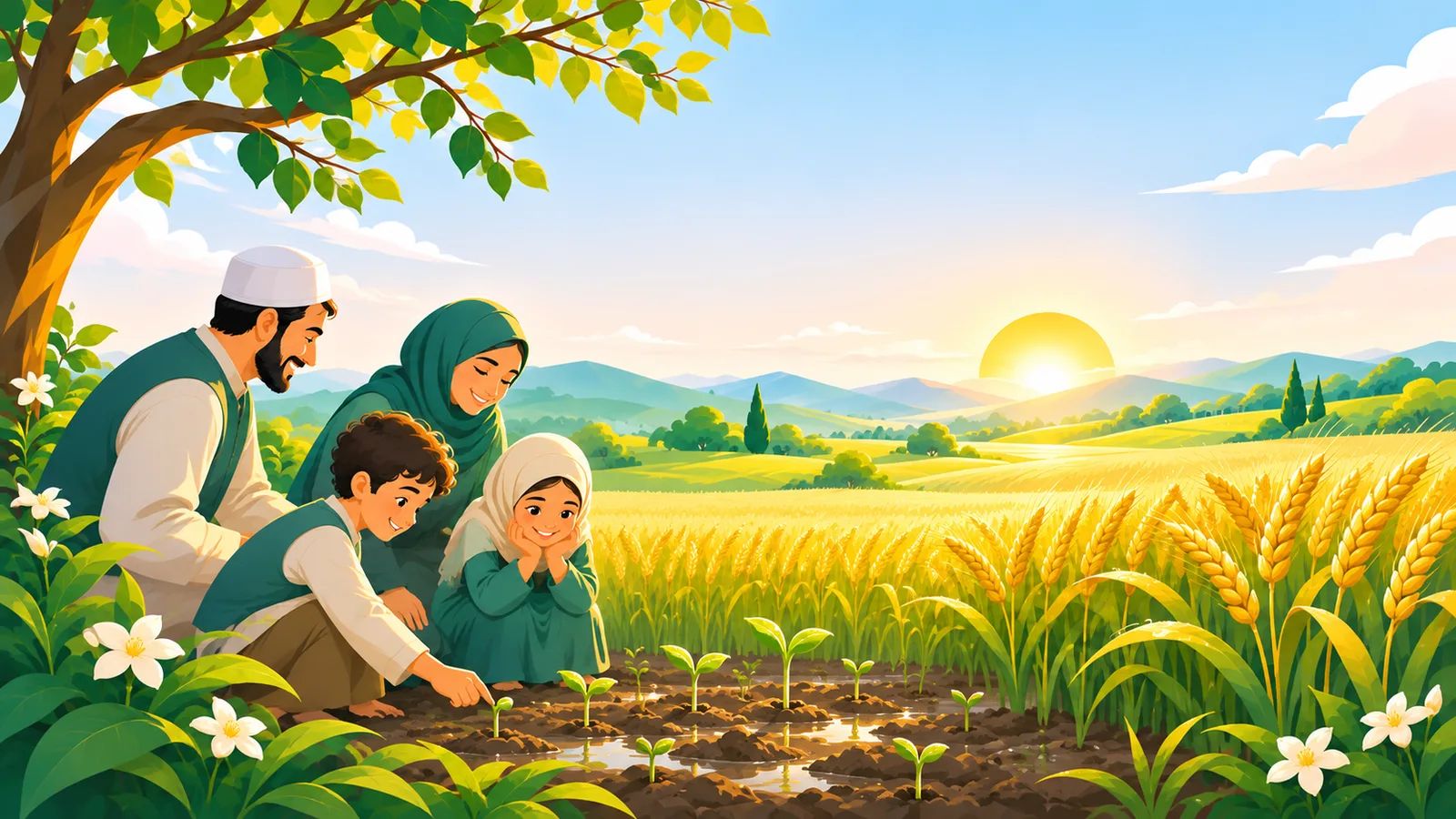
What happens after we die? Two of humanity’s great answers could hardly be more different. In one, life is a long wheel of many births and deaths. In the other, life is a single journey with one ending and one new beginning. Both are held by hundreds of millions of thoughtful people. This article explains each as fairly as we can, and then looks at what they share and where they part.
Rebirth in the Indian traditions
Several religions that arose in India share three key ideas:
- Samsara — the cycle of birth, death and rebirth.
- Karma — the moral law that actions bring consequences, in this life and in future lives.
- Liberation — called moksha in Hinduism and Jainism, and nirvana in Buddhism — release from the cycle.
In much of Hindu thought, the eternal self (atman) passes from body to body. The Bhagavad Gita compares this to a person putting off worn-out clothes and putting on new ones (Bhagavad Gita 2:22). Liberation may be reached through knowledge, selfless action or loving devotion to God, depending on the school.
Buddhism also teaches rebirth, but without a permanent, unchanging self (anatta, “not-self”). What continues is a stream of causes and conditions — often compared to one candle flame lighting another. The goal is nirvana, the end of craving and of rebirth.
Jainism teaches that each soul (jiva) is weighed down by karma and can be freed through strict non-violence and self-discipline. Sikhism speaks of the cycle of births too, and of release through the grace of the one God and remembrance of His name. Within all these traditions, individual believers hold a range of views, and some modern practitioners interpret rebirth more symbolically.
Resurrection in Islam
Islam teaches that each person lives one earthly life. The Qur’an summarises the whole human story in one verse:
كَيْفَ تَكْفُرُونَ بِٱللَّهِ وَكُنتُمْ أَمْوَٰتًۭا فَأَحْيَٰكُمْ ۖ ثُمَّ يُمِيتُكُمْ ثُمَّ يُحْيِيكُمْ ثُمَّ إِلَيْهِ تُرْجَعُونَ ﴿٢٨﴾ How can you disbelieve in Allah when you were lifeless and He brought you to life; then He will cause you to die, then He will bring you [back] to life, and then to Him you will be returned.
Couldn't load — please try again.
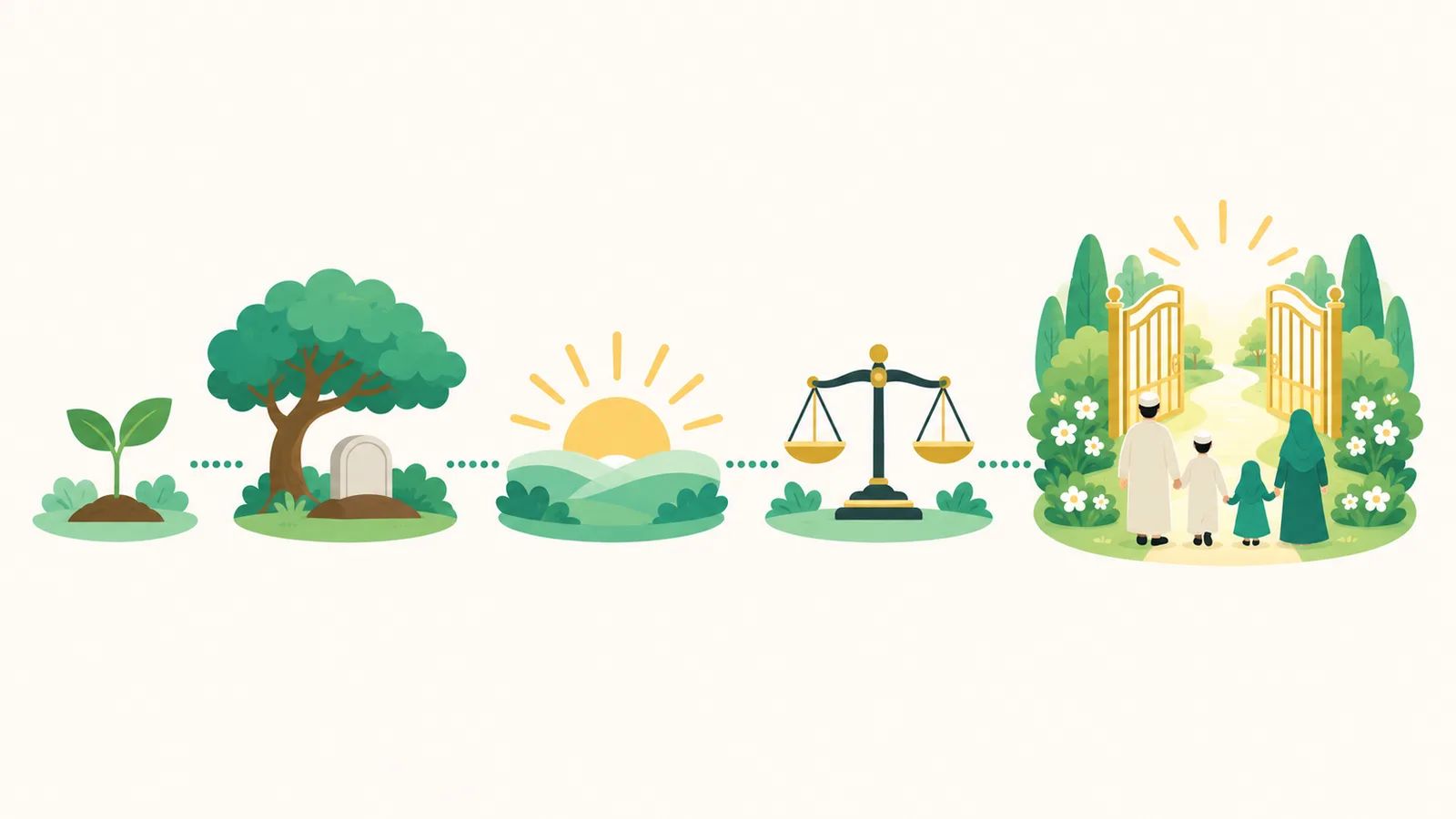
We were lifeless before birth; we are given life; we die; we are raised again; and we return to God. After death, the soul enters an in-between stage (barzakh) until the Day of Resurrection, when God will raise human beings, body and soul, for judgment (see What Happens After Death?). The Qur’an describes people at death begging to be sent back to do good, and being told that there is no return (Qur’an 23:99-100). There is no second earthly life — which gives this one great weight.
Yet our deeds do not stop entirely when we die. The Prophet Muhammad ﷺ said:
Abu Huraira (Allah be pleased with him) reported Allah's Messenger (ﷺ) as saying:When a man dies, his acts come to an end, but three, recurring charity, or knowledge (by which people) benefit, or a pious son, who prays for him (for the deceased)
Couldn't load — please try again.
A shared intuition: deeds matter
Despite their differences, both views agree on something important: the universe is not morally indifferent. What we do comes back to us. The Qur’an states this principle clearly:
أَلَّا تَزِرُ وَازِرَةٌۭ وِزْرَ أُخْرَىٰ ﴿٣٨﴾ وَأَن لَّيْسَ لِلْإِنسَٰنِ إِلَّا مَا سَعَىٰ ﴿٣٩﴾ وَأَنَّ سَعْيَهُۥ سَوْفَ يُرَىٰ ﴿٤٠﴾ ثُمَّ يُجْزَىٰهُ ٱلْجَزَآءَ ٱلْأَوْفَىٰ ﴿٤١﴾ 38That no bearer of burdens will bear the burden of another 39And that there is not for man except that [good] for which he strives 40And that his effort is going to be seen - 41Then he will be recompensed for it with the fullest recompense
Couldn't load — please try again.
The difference lies in who stands behind this law. In many Buddhist and Jain teachings, karma works as an impersonal law, without a creator God. In several Hindu schools, God is the one who distributes the fruits of karma. In Islam, it is always the living, personal God who judges — and, crucially, who can forgive. An impersonal law cannot have mercy; God can. He even multiplies good deeds:
إِنَّ ٱللَّهَ لَا يَظْلِمُ مِثْقَالَ ذَرَّةٍۢ ۖ وَإِن تَكُ حَسَنَةًۭ يُضَٰعِفْهَا وَيُؤْتِ مِن لَّدُنْهُ أَجْرًا عَظِيمًۭا ﴿٤٠﴾ Indeed, Allah does not do injustice, [even] as much as an atom's weight; while if there is a good deed, He multiplies it and gives from Himself a great reward.
Couldn't load — please try again.
Questions Muslims ask, respectfully
Muslims who reflect on rebirth often raise a few questions — not to mock, but to compare honestly:
- Memory and justice. If most people remember nothing of past lives, in what sense is their present suffering a just consequence of what “they” did? (Hindu and Buddhist teachers answer that karma works whether or not we remember, and that the point is liberation rather than punishment.)
- Blaming the sufferer. A child born with a disability may be seen as reaping past karma. Islam teaches instead that hardship is a test, not a verdict, and that no one carries another’s burden.
- Grace. In Islam, salvation finally rests on God’s mercy, not on endless cycles of effort.
Hindus and Buddhists, of course, have their own questions for Muslims, and thoughtful dialogue goes both ways.
A closing thought
Whether you lean towards one life or many, both traditions agree that how we live now matters deeply. Islam’s message is that this single life is a precious gift — not a rehearsal, but the one chance we have to turn to God, do good and prepare to meet Him. To go further, read God in Islam and Hinduism or Suffering in Islam and Buddhism.
Key takeaways
- The Indian traditions share ideas of samsara (the cycle of rebirth), karma and liberation, but explain them in different ways.
- Buddhism teaches rebirth without a permanent, unchanging self.
- Islam teaches one life, death, an in-between stage, resurrection and judgment — with no return to this world.
- Both views agree that deeds have real consequences; Islam adds a personal God who judges and forgives.