العربية
 Español
 Français
 中文
 हिन्दी
Muhammad ﷺ Is the Final Messenger
The second half of the Muslim declaration of faith is short: it affirms that Muhammad is the Messenger of God. Behind those few words lies a belief that every Muslim shares — that Muhammad ﷺ completed a story that began with the first human being.
The seal of the prophets
Muslims believe God has guided humanity through prophets since the very beginning — Adam, Noah, Abraham, Moses, David, Jesus and many others (peace be upon them all). According to the Qur’an, Muhammad ﷺ was the last of them:
مَّا كَانَ مُحَمَّدٌ أَبَآ أَحَدٍۢ مِّن رِّجَالِكُمْ وَلَٰكِن رَّسُولَ ٱللَّهِ وَخَاتَمَ ٱلنَّبِيِّۦنَ ۗ وَكَانَ ٱللَّهُ بِكُلِّ شَىْءٍ عَلِيمًۭا ﴿٤٠﴾ Muhammad is not the father of [any] one of your men, but [he is] the Messenger of Allah and last of the prophets. And ever is Allah, of all things, Knowing.
Couldn't load — please try again.
The Arabic phrase translated last of the prophets is khatam an-nabiyyin, literally “the seal of the prophets”. A seal closes and completes something. Muslims of every school understand this verse to mean that no new prophet will come after Muhammad ﷺ.
The Prophet ﷺ explained the same idea with a picture that anyone can understand:
Narrated Abu Huraira: Allah's Messenger (ﷺ) said, "My similitude in comparison with the other prophets before me, is that of a man who has built a house nicely and beautifully, except for a place of one brick in a corner. The people go about it and wonder at its beauty, but say: 'Would that this brick be put in its place!' So I am that brick, and I am the last of the Prophets
Couldn't load — please try again.
In this image, the earlier prophets are not replaced or set aside. They are the beautiful house; the final messenger completes it.
A human being, not divine
One of the things that surprises people new to Islam is how firmly the Qur’an insists that Muhammad ﷺ was only human. He ate, slept, married, raised children, grieved, fell ill and died. The Qur’an reminds believers of this directly:
وَمَا مُحَمَّدٌ إِلَّا رَسُولٌۭ قَدْ خَلَتْ مِن قَبْلِهِ ٱلرُّسُلُ ۚ أَفَإِي۟ن مَّاتَ أَوْ قُتِلَ ٱنقَلَبْتُمْ عَلَىٰٓ أَعْقَٰبِكُمْ ۚ وَمَن يَنقَلِبْ عَلَىٰ عَقِبَيْهِ فَلَن يَضُرَّ ٱللَّهَ شَيْـًۭٔا ۗ وَسَيَجْزِى ٱللَّهُ ٱلشَّٰكِرِينَ ﴿١٤٤﴾ Muhammad is not but a messenger. [Other] messengers have passed on before him. So if he was to die or be killed, would you turn back on your heels [to unbelief]? And he who turns back on his heels will never harm Allah at all; but Allah will reward the grateful.
Couldn't load — please try again.
When the Prophet ﷺ died, his close companion Abu Bakr recited this very verse to the grieving community, reminding them that they worshipped God, who never dies — not the man who had brought them His message (Sahih al-Bukhari 1242).
The Prophet ﷺ himself warned his followers never to exaggerate his status:
Narrated `Umar: I heard the Prophet (ﷺ) saying, "Do not exaggerate in praising me as the Christians praised the son of Mary, for I am only a Slave. So, call me the Slave of Allah and His Apostle
Couldn't load — please try again.
This is why Muslims do not pray to Muhammad ﷺ and why they dislike being called “Mohammedans”. They love and honour him deeply — Muslims say ﷺ, may God bless him and grant him peace, whenever his name is mentioned — but worship belongs to God alone. See God Is One.
A message for everyone
Earlier prophets, Muslims believe, were usually sent to their own people. Muhammad ﷺ was sent to all of humanity, in every land and every age until the end of time:
وَمَآ أَرْسَلْنَٰكَ إِلَّا كَآفَّةًۭ لِّلنَّاسِ بَشِيرًۭا وَنَذِيرًۭا وَلَٰكِنَّ أَكْثَرَ ٱلنَّاسِ لَا يَعْلَمُونَ ﴿٢٨﴾ And We have not sent you except comprehensively to mankind as a bringer of good tidings and a warner. But most of the people do not know.
Couldn't load — please try again.
That is why Muslims see the message of Islam as universal. It is not tied to Arabs, to one region or to the seventh century; it is offered to every person who is willing to listen. And the Qur’an describes the purpose of his mission in terms of mercy — see Why Islam Is Called a Religion of Mercy.
Why a final prophet?
A reasonable question is: if God sent prophets throughout history, why stop? Muslims give two main answers.
First, the message is complete and preserved. Earlier communities often lost or altered parts of what their prophets brought. Muslims believe the Qur’an has been preserved exactly as it was revealed, and that the Prophet’s teaching and example (the Sunnah) were recorded in detail by his companions and later scholars. A new prophet is not needed to restore a message that has not been lost. See The Qur’an Is God’s Word, Preserved Unchanged.
Second, the message is meant for all times. Islam gives fixed principles — worship of one God, justice, honesty, mercy — together with room for scholars in every age to apply them to new situations. That is how a final message can speak to a world that keeps changing.
What this means for Muslims today
Because Muslims of every school agree that Muhammad ﷺ was the last prophet, this belief is one of the clearest boundaries of the faith. Anyone who claims to be a new prophet after him is, by consensus, outside the agreed teaching of Islam.
At the same time, believing in the final prophet does not mean disregarding the earlier ones. A Muslim is required to believe in and respect all the prophets God sent, and the Qur’an tells their stories at length. Muhammad ﷺ did not come to start a new religion, Muslims believe, but to renew and complete the one message every prophet brought.
Getting to know him
Many people’s picture of Muhammad ﷺ comes from headlines rather than from his life. If you would like to meet him through the sources, Who Was Prophet Muhammad ﷺ? is a gentle introduction, and The Life of Prophet Muhammad ﷺ tells his story from beginning to end.
Key takeaways
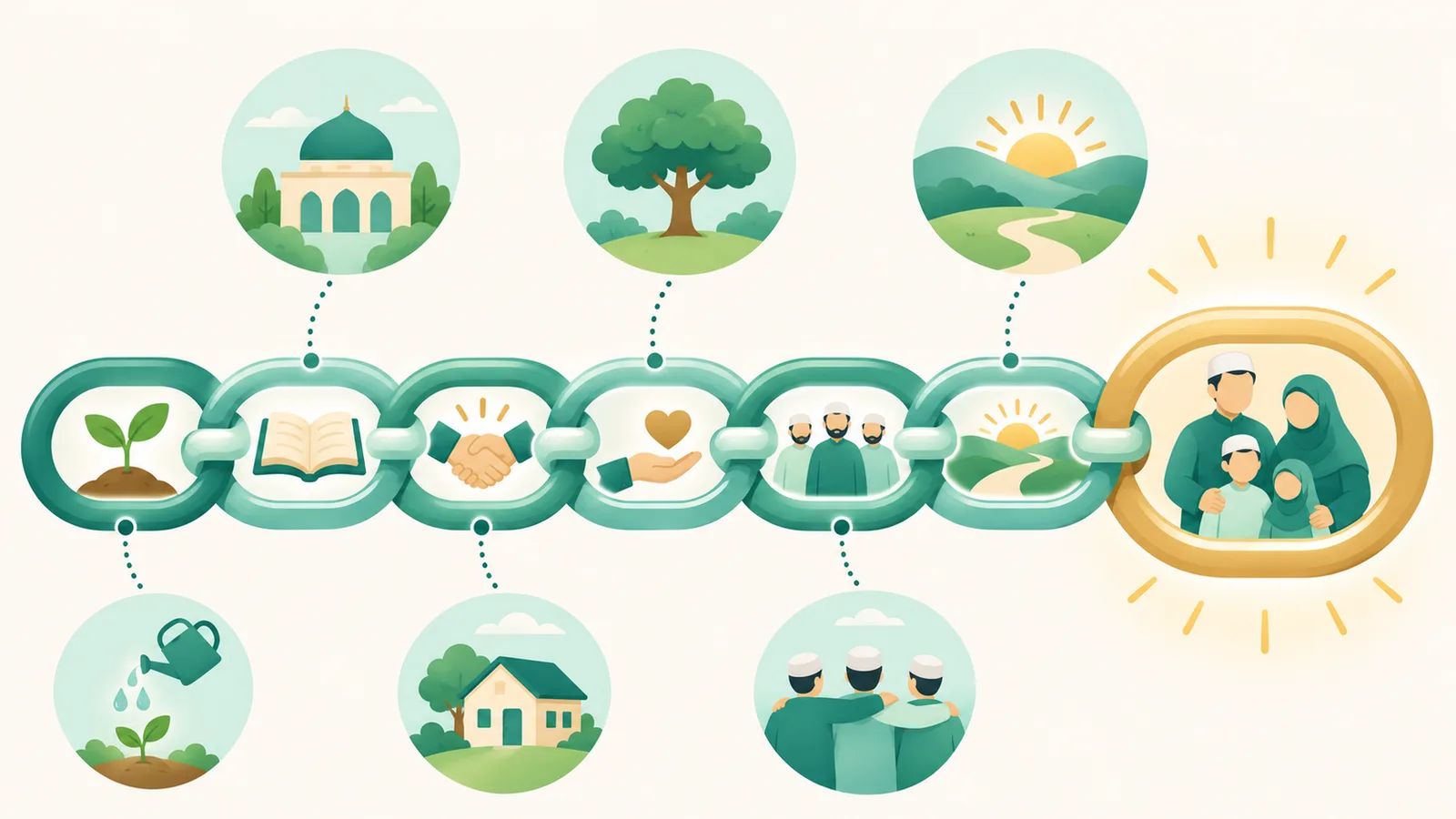
- The Qur'an calls Muhammad ﷺ the seal of the prophets — the last in the line.
- He was a human being and a servant of God, not a divine figure.
- His message was addressed to all people, not to one nation or era.
- Belief in his finality is shared by Muslims of every school.