العربية
 Español
 Français
 中文
 हिन्दी
What Does Islam Teach About Humility and Pride?

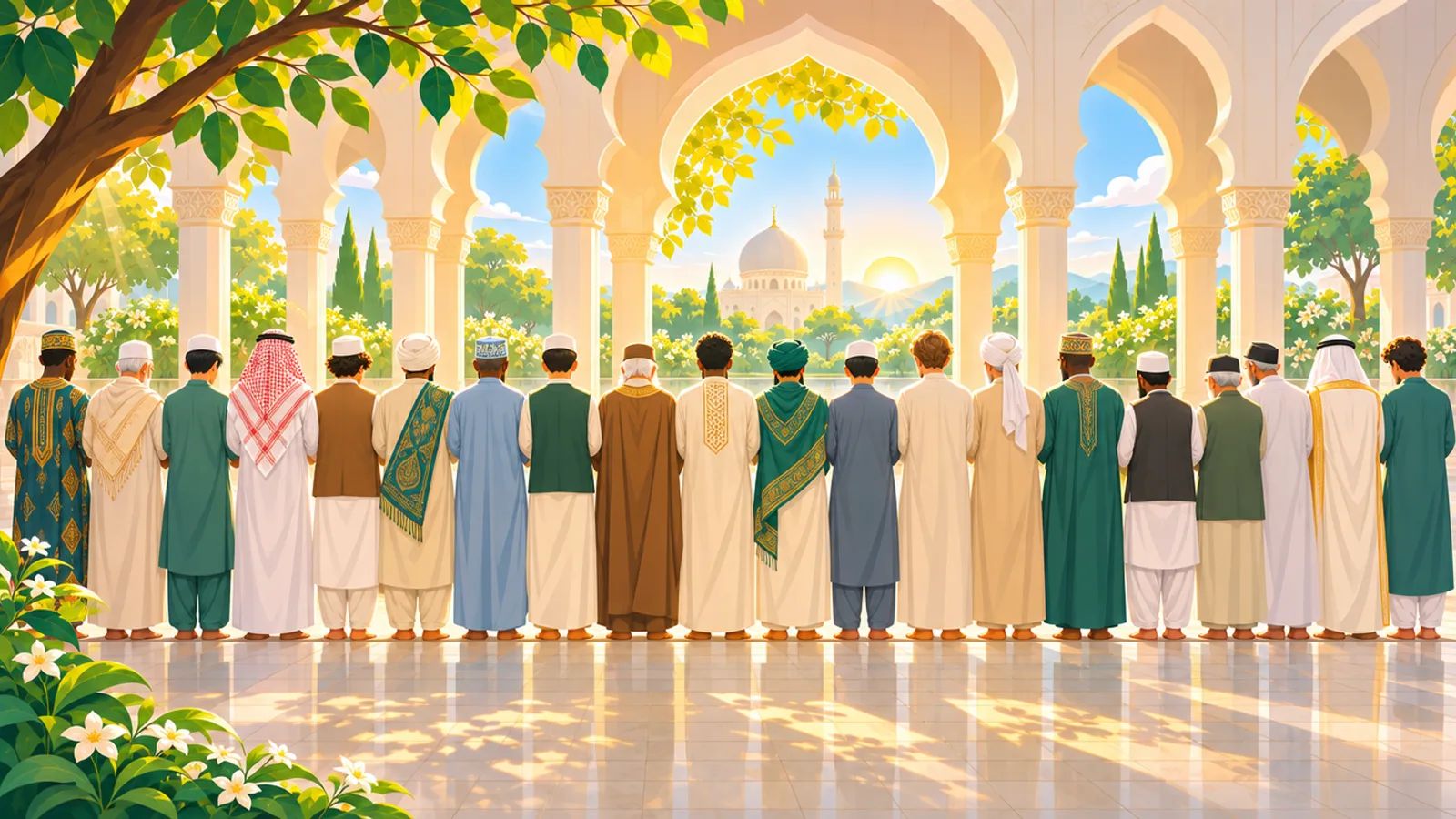
There is a moment in every Muslim prayer that says more about humility than any lecture: the forehead on the ground. Kings and labourers, professors and children all place the most honoured part of their body in the dust, side by side, before God. Islam hopes that this posture, repeated many times a day, will shape how a person walks through the rest of life.
What arrogance really is
Islam takes pride seriously. In the Qur’an, the first sin committed against God was Satan’s arrogant refusal to bow, because he considered himself better than Adam (Qur’an 7:12). The Prophet Muhammad ﷺ warned that arrogance can keep a person out of Paradise — and then, when someone worried that loving nice clothes might count, he gave a precise definition:
It Is narrated on the authority of Abdullah b. Mas'ud that the Messenger of Allah (ﷺ), observed:He who has in his heart the weight of a mustard seed of pride shall not enter Paradise. A person (amongst his hearers) said: Verily a person loves that his dress should be fine, and his shoes should be fine. He (the Holy Prophet) remarked: Verily, Allah is Graceful and He loves Grace. Pride is disdaining the truth (out of self-conceit) and contempt for the people
Couldn't load — please try again.
This hadith clears up a common misunderstanding. Islam does not ask people to look shabby or to hate themselves. Dressing well and enjoying beauty are fine; God Himself is beautiful and loves beauty. Arrogance (kibr) is something else: refusing to accept the truth when it is clear, because accepting it would hurt our ego, and treating other people as beneath us.
The Qur’an on walking humbly
Some of the Qur’an’s most vivid advice on humility comes from the wise man Luqman, speaking to his son:
وَلَا تُصَعِّرْ خَدَّكَ لِلنَّاسِ وَلَا تَمْشِ فِى ٱلْأَرْضِ مَرَحًا ۖ إِنَّ ٱللَّهَ لَا يُحِبُّ كُلَّ مُخْتَالٍۢ فَخُورٍۢ ﴿١٨﴾ وَٱقْصِدْ فِى مَشْيِكَ وَٱغْضُضْ مِن صَوْتِكَ ۚ إِنَّ أَنكَرَ ٱلْأَصْوَٰتِ لَصَوْتُ ٱلْحَمِيرِ ﴿١٩﴾ 18And do not turn your cheek [in contempt] toward people and do not walk through the earth exultantly. Indeed, Allah does not like everyone self-deluded and boastful. 19And be moderate in your pace and lower your voice; indeed, the most disagreeable of sounds is the voice of donkeys."
Couldn't load — please try again.
Do not turn your face away from people in contempt; do not strut; walk moderately; lower your voice. These are everyday behaviours, and the Qur’an treats them as matters of faith. Elsewhere it reminds the proud that, however tall they stand, they will never tear the earth apart or reach the height of the mountains (Qur’an 17:37) — a gentle humbling of human self-importance. And it says that the home of the Hereafter is for those who do not seek superiority on earth (Qur’an 28:83).
The Qur’an also removes the usual grounds for pride. All people come from one male and one female, and the noblest in God’s sight is not the richest or best-born, but the most God-conscious (Qur’an 49:13). For more on this, see racism and equality in Islam.
The humility of the Prophet ﷺ
The Prophet ﷺ was the leader of a growing state, yet he lived simply. His wife Aisha said that at home he busied himself serving his family, leaving only when it was time for prayer (Sahih al-Bukhari 676). He reminded his companions that every prophet, including himself, had once worked as a shepherd tending sheep for others (Sahih al-Bukhari 2262).
He also guarded carefully against people raising him above his station:
Narrated `Umar: I heard the Prophet (ﷺ) saying, "Do not exaggerate in praising me as the Christians praised the son of Mary, for I am only a Slave. So, call me the Slave of Allah and His Apostle
Couldn't load — please try again.
For Muslims, this is a striking lesson: the greatest human being in their eyes insisted on being called simply God’s servant and messenger.
Humility towards others
The Prophet ﷺ was quick to correct even his close companions when pride crept in. When Abu Dharr insulted a man by mocking his mother’s non-Arab origin, the Prophet ﷺ told him that he still had a trait of pre-Islamic ignorance in him, and went on to teach that those who serve us are our brothers, who should eat what we eat and wear what we wear (Sahih al-Bukhari 6050). Abu Dharr took this so much to heart that he was later seen wearing the same kind of cloak as his servant.
Humility in practice looks like this: greeting people first, listening more than speaking, accepting correction gracefully, serving others without making a show of it, and never treating anyone as unimportant — whether because of their job, wealth, race or background.
Humility does not lower you
Pride often comes from fear that if we lower ourselves, others will think less of us. Islam promises the opposite. The Prophet ﷺ said that no one humbles himself for the sake of God except that God raises him (Sahih Muslim 6592). People rarely admire the arrogant, even when they fear them; they are drawn to those who are great and yet humble.
A closing thought
Humility in Islam starts with knowing who we are before God — created, dependent and in need — and it ends with treating everyone around us with dignity. If you would like to see where that posture comes from, read about how Muslims pray, or explore the wider picture in good character in Islam.

Key takeaways
- Arrogance means rejecting the truth and looking down on people.
- Enjoying beautiful things is not arrogance; contempt for others is.
- The Qur'an warns against strutting, boasting and seeking superiority.
- The Prophet ﷺ served his family and refused excessive praise.
- Humility never lowers a person; God raises the humble.